A Comprehensive Guide to Drive Shaft Replacement
This guide provides an in-depth look at drive shaft replacement, detailing its importance, the signs of a failing drive shaft, and the process involved. It aims to equip vehicle owners with the vital knowledge needed to identify potential issues early on and understand procedures taken during replacements. Whether you’re a car enthusiast or a regular car owner, this comprehensive guide will help you maintain your vehicle’s optimal performance by ensuring your drive shaft is always in check.
Drive Shaft Overview
A drive shaft is a mechanical component for transmitting torque and rotation, typically used to connect other components of a drivetrain that cannot be directly connected. Its principal function is to transfer engine power to the wheels, enabling vehicle movement. This essential part also absorbs vibrations and torsions from the road and engine. If the drive shaft fails, it can result in severe consequences affecting your vehicle’s performance or even your safety. Therefore, understanding its functionality and keeping it in good condition is critical for every vehicle owner.
Symptoms of a Bad Drive Shaft
Common symptoms of a bad drive shaft include intense vibrations from underneath the vehicle, especially during acceleration; abnormal noises such as clunking, rattling or scraping while the car is in motion; difficulty in turning characterized by resistance in the steering wheel or an unusually large turning radius; and unusual tire wear. These symptoms might overlap with other mechanical issues, so it’s important to consult a professional if you observe any of them.
Read our full article about Understanding the Symptoms of a Bad Drive Shaft.
Consequences of Ignoring Drive Shaft Problems
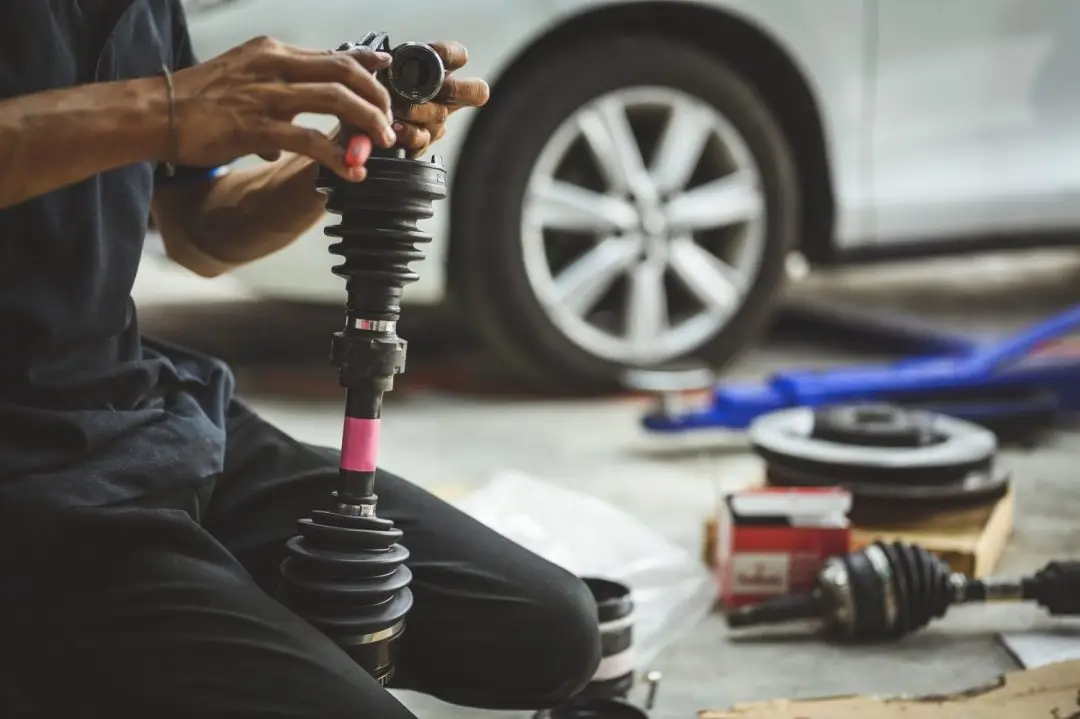
Ignoring drive shaft problems can lead to severe consequences. These include increased wear and tear on other vehicle components, potentially leading to a breakdown. It may also result in an unstable drive with excessive vibrations causing discomfort and reduced vehicle control, increasing the risk of accidents. In extreme cases, failure of the drive shaft can even cause loss of power transmission from the engine to the wheels, bringing the vehicle to a sudden stop, which could be hazardous on busy roads.
When to Replace the Drive Shaft
The best time to replace the drive shaft is as soon as you notice signs indicating its deterioration. These symptoms can include intense vibrations from underneath the vehicle, difficulties turning, strange noises during acceleration or when making turns, or rattling noises underneath the vehicle. In some cases, your mechanic may identify issues during routine car maintenance check-ups which should not be ignored. Visibly damaged parts, like worn-out bearings or U-joints, too indicate immediate replacement need. Procrastinating this replacement could lead to further damages within the drivetrain or even a complete failure while driving which could potentially cause an accident. Therefore, it’s vital to replace a faulty driveshaft promptly to maintain safe and smooth vehicle operation.
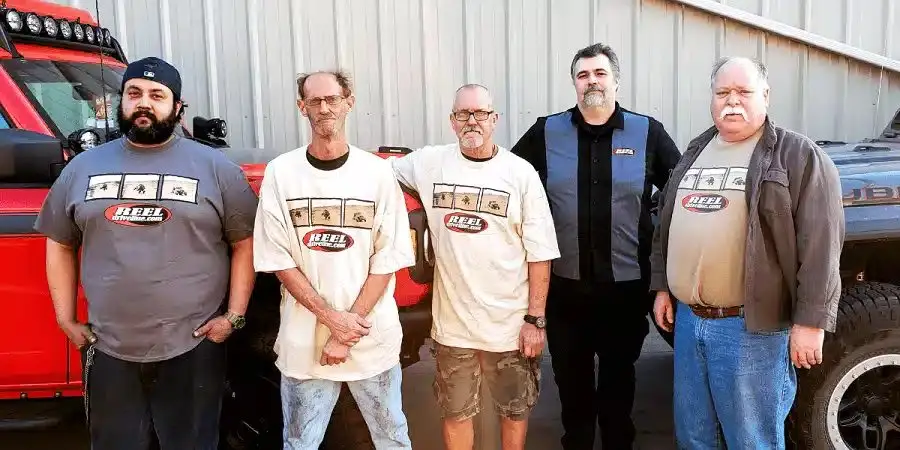
Overview and History of JE Reel Driveline
JE Reel Driveline is a renowned name in the drivetrain industry, specializing in OE replacement and off-road performance parts. The company was initiated by Jim Reel, an experienced transmission specialist who began his career rebuilding transmissions for race teams. In over four decades of operation, it has evolved into a trusted developer and manufacturer of drive shafts and other drivetrain components. Its history is marked with quality craftsmanship tailored to meet various vehicular requirements, making JE Reel Driveline a go-to solution for many automotive consumers.
Why Choose JE Reel Driveline for Drive Shaft Replacement
Choosing JE Reel Driveline for drive shaft replacement assures quality, durability and reliability. JE Reel is well-known for its meticulous engineering and techniques that provide superior product quality. Our driveshafts are produced from durable materials that can withstand harsh operating conditions, specifically designed to enhance performance and longevity.
JE Reel Driveline products are widely praised in the automotive community for our maximum strength and durability. For instance, our 1350 series off-road drive shafts have demonstrated notable reliability in extreme off-road conditions.
Compared to other brands, JE Reel stands out due to our commitment to both quality and customer service. Other manufacturers may provide similar products, but only few can match the consistent high standards set by our company. In addition to premium parts, our company also provides technical support ensuring an optimal experience for each customer. Therefore, choosing JE Reel is a decision driven by a quest for excellence in both product quality and service.
The Drive Shaft Replacement Process
1. Vehicle Assessment: The first step in replacing a drive shaft with us involves a thorough inspection of the vehicle’s drivetrain to ascertain the extent of damage and determine the correct replacement parts.
2. Removal of Old Drive Shaft: The vehicle is adequately secured before the old drive shaft is carefully removed. This typically involves disconnecting it from the transmission and differential.
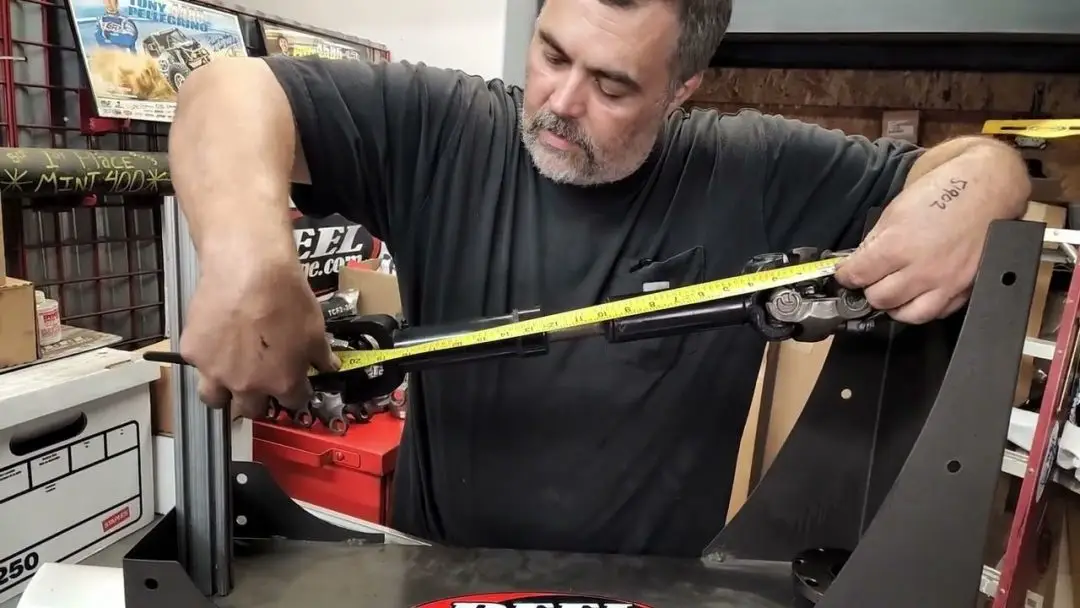
3. Measurement: We take precise driveshaft measurements to ensure your custom replacement fits perfectly within your specific vehicle’s parameters.
4. Replacement Drive Shaft Installation: The new JE Reel Driveline drive shaft is meticulously aligned and installed, ensuring it fits securely into place.
5. Vehicle Testing: After installation, your vehicle undergoes road testing to confirm optimal performance and secure fitment of the new drive shaft.
Remember, it is advised to have a professional mechanic or technician perform these tasks due to their complexity and safety requirements.
In conclusion, noticing signs of a faulty drive shaft early can prevent further damage to your vehicle. JE Reel Driveline offers expert drive shaft replacement services and quality customer support before, during, and after the process. When faced with drive shaft issues, don’t hesitate to reach out to reliable professionals like JE Reel Driveline who can guide you effectively and ensure your vehicle’s optimal performance. Remember, acknowledging the issue promptly and taking preventive measures is always the best course of action in auto maintenance.
Understanding the Symptoms of a Bad Drive Shaft
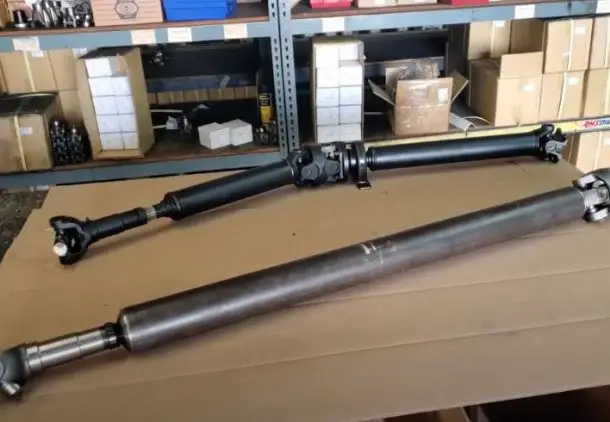
The drive shaft plays a role in your vehicle by transferring power from the engine to the wheels allowing them to rotate at speeds. A functioning drive shaft is crucial for efficient operation of your vehicle. However if it starts to malfunction it can cause discomfort while driving and even pose safety risks. Recognizing signs of drive shaft issues is important for maintaining performance and safety. This article aims to provide you with insights into symptoms that indicate a drive shaft empowering you to make informed decisions regarding necessary repairs or replacements.
Understanding the Significance of Your Drive Shaft
The drive shaft is a component that connects the engine to the wheels facilitating torque and rotational movement. Its primary function is to ensure movement of your vehicle by distributing power between the front and rear axles. When the drive shaft doesn’t operate smoothly it disrupts this power transmission. Therefore comprehending the importance of this overlooked part can make a difference, between enjoying smooth rides or frequently visiting auto repair shops. This article explores why your drive shaft holds significance in terms of your vehicle’s performance.
READ: The Basics on Driveshafts and How Does a Drive Shaft Work
Recognizing Indications of a Bad Drive Shaft
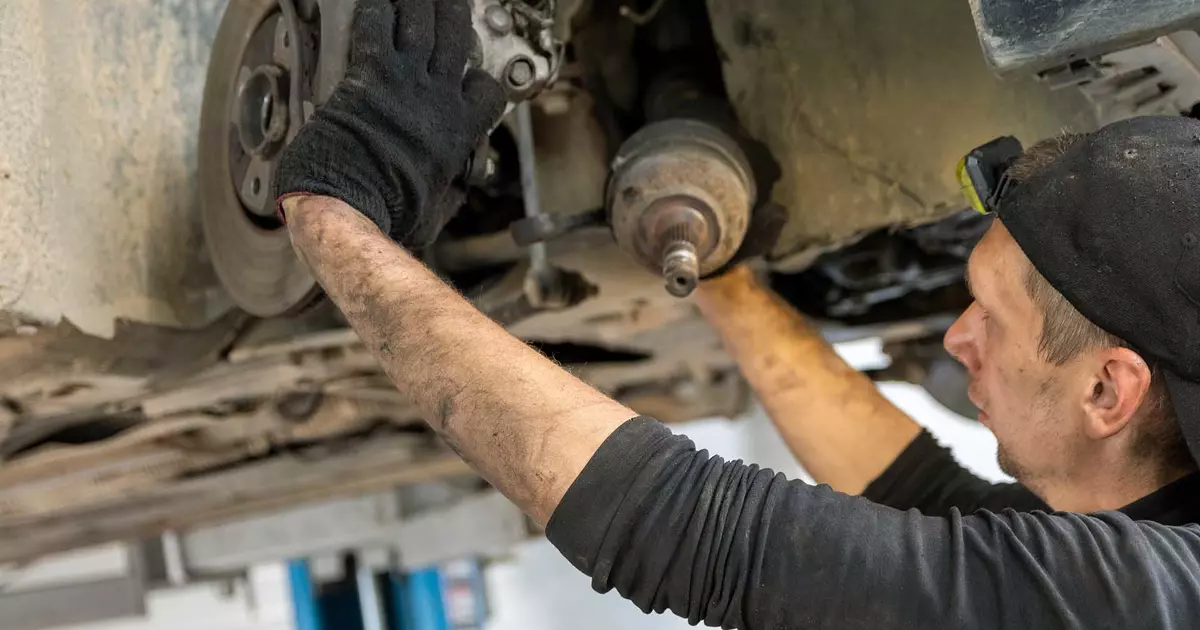
1.Vibrations. If you notice vibrations while driving, especially if they become stronger, as your speed increases it’s often an indication of balance issues related to a failing drive shaft.
2. Unusual Noises. Buzzing, rattling or clunking sounds coming from beneath your vehicle could be a result of worn out or damaged drive shaft components.
3. Difficulty with Turning. A malfunctioning drive shaft can affect your vehicle’s ability to turn properly causing resistance when making turns.
4. Car Jerks During Acceleration. If your car jerks or shudders when you try to accelerate it may be a result of shaft damage.
5. Damage on Drive Shaft. Any visible bends, cracks or twisted parts on the drive shaft are indications that immediate replacement is necessary.
Remember, ignoring these symptoms can lead to problems such as decreased fuel efficiency and even loss of control while driving. It is always advisable to consult with a mechanic if any of these signs occur.
Consequences of Neglecting Drive Shaft Problems
Neglecting issues with the drive shaft can have potentially dangerous consequences. These include;
1. Loss of Power. A faulty drive shaft disrupts the power transfer between the engine and axles resulting in reductions in vehicle performance.
2. Decreased Fuel Efficiency. It takes energy to compensate for a failing drive shaft, which can lead to reduced fuel efficiency and increased expenses over time.
3. Further Damage. Ignoring initial symptoms can worsen drive shaft damage, impacting parts of your vehicle’s drivetrain system such as the transmission or differential.
4. Break Down. If the drive shaft completely fails it can cause breaks that render your vehicle immobile leading to repairs or even the need for a replacement.
5. Risk Safety. The significant consequence is the safety risk posed by losing control of the vehicle if the drive shaft fails while driving at speeds potentially resulting in accidents.
To avoid these risks it is important to have your car checked whenever you notice signs of a drive shaft.
Introducing JE Reel Driveline
JE Reel Driveline has a standing history dating back for over four decades. Widely recognized in the automotive industry for producing reliable and high quality drive shafts. Established as a family owned machine shop in California catering to the automotive sector we later ventured into high performance driveshafts using our expertise in crafting top tier components.
JE Reel Driveline has built its reputation on our commitment to delivering performance, durability and excellent customer service.our products are well known for our durability. Have gained widespread popularity in various vehicle applications from everyday cars, to off-road and racing vehicles.
The JE Reel family believes that every component matters, regardless of its size. We meticulously pay attention to detail. Continually invest time and resources into research and development in order to enhance the capabilities of drivetrain technology.
With our experience and unwavering dedication JE Reel has earned the trust of car enthusiasts around the world. This makes us the go to solution when it comes to high quality drive shaft needs.
Reasons to Choose JE Reel Driveline for Drive Shaft Replacement
Opting for JE Reel Driveline when you need a drive shaft replacement is not only a choice for reliability but also emphasizes the value proposition and quality assurance we offer. Leveraging our wealth of experience and innovative approaches JE Reel drive shafts that withstand wear and tear.
The testimonials from customers serve as evidence of the reliability of our products. Countless stories can be heard from racers to everyday drivers praising how JE Reel drivelines have endured challenging driving conditions while maintaining peak performance.
When comparing JE Reel with brands a stark contrast becomes evident. While others may cut corners, JE Reel never compromises on quality. Our main focus is on delivering high performance components that’re both reliable and efficient rather than just prioritizing cost effectiveness.
What sets JE Reel apart is our customer service. Our experienced team is always available to offer advice based on our knowledge in the automotive industry.
Opting for JE Reel Driveline demonstrates a dedication to quality, durability and reliability. An investment that guarantees driving experiences in the future.
The Basics on Driveshafts and How Does a Drive Shaft Work
Introduction: Definition and Purpose of Driveshafts
What to expect
Introduction: Definition and Purpose of Driveshafts
- What is a driveshaft?
- What do they do?
- How does a driveshaft work?
Types of Driveshafts and Their Uses
- Standard driveshafts
- High-performance racing
- Off-road applications
Common Parts of a Driveshaft System
- U-joints, axles, and yokes
Maintenance and Care for Drive Shafts
- How to detect signs of abuse or damage
- Tips for keeping your driveshaft system in top condition
What is a driveshaft?
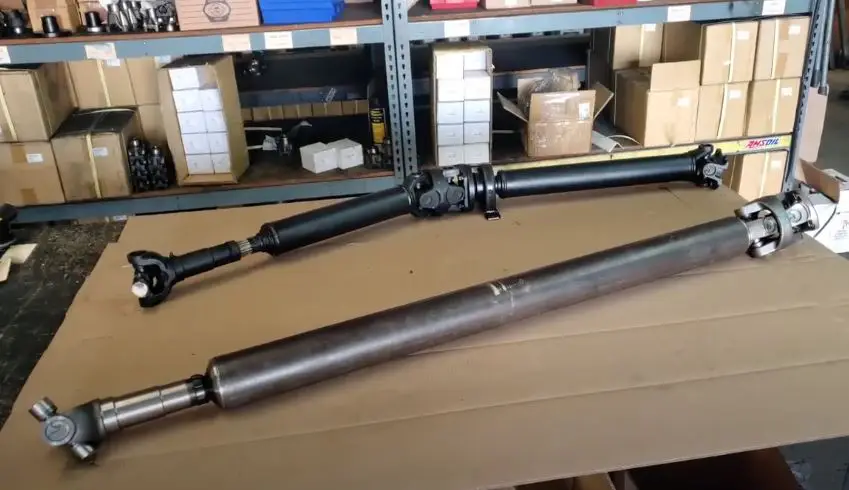
Have you ever wondered how your car’s driveshaft functions or what it is in the first place? The term ‘driveshaft’ is a name used to describe a critical component of the drive train that transmits power from the engine to the wheels. And while a driveshaft is most commonly used in automobiles they have other applications as well.
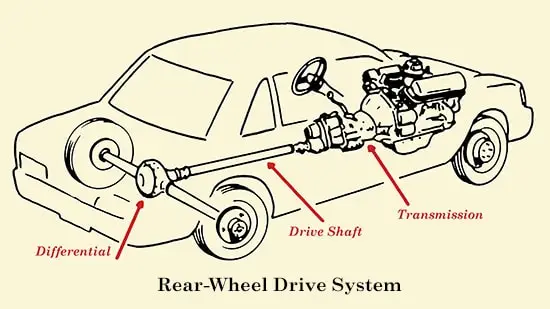
This important component is also known as a propeller shaft, drive axle, driveline, and sometimes a half-shaft. They are usually made up of a long hollow tube, which is connected to the transmission at one end and the differential at the other end. Essentially, driveshafts are responsible for transferring power from the engine to the wheels allowing cars to move forward.
What do they do?
Driveshafts are not only used for automobiles, but also for a variety of other heavy duty applications. They are often used in industrial and agricultural machinery, such as tractors, combines, and excavators. Driveshafts can also be found in other heavy-duty equipment such as forklifts and other construction vehicles. In addition, driveshafts are often used in boats to connect the engine to the propeller.
Drive shafts come in various sizes and styles depending on their intended use. Some driveshafts are designed for standard cars while others are used for high-performance cars that require higher torque and more power delivery. No matter which type of vehicle you have, driveshafts play an essential role in providing power from the engine to the driven wheels – whether that’s in front wheel drive or rear wheel drive set ups.
How does a drive shaft work?
At one end, power generated by the engine is sent through the transmission to the driveshaft and causes it to rotate. This rotational force is absorbed and transferred through the driveshafts to the wheels of the car. A driveshaft is not always in a straight line, sometimes the driveshaft is in 2 or 3 pieces, connected by a carrier bearing. In addition to transferring power the driveshaft can also help compensate for any angles needed to connect the transmission to the wheels. Before the power reaches the wheels it often needs to pass through a transfer case and/or a differential to reach the wheels.
For this system to operate efficiently, lubrication and balancing are essential as friction between parts will cause them to degrade quickly over time and can even lead to driveshaft failure. A good quality driveshaft should also be sufficiently strong enough to withstand vibrations caused by rough roads or potholes, otherwise damage could occur if not taken care of properly. Driveshafts have to be made with the specific intent in mind. They need to be able to transfer the power efficiently, be able to absorb the load of sudden starts in racing applications, be able to absorb the torsional force in off-road applications, and must be able to handle the rpm needed for the vehicle to move without surpassing the critical speed.
Types of Driveshafts and Their Uses
Driveshafts come in many different shapes and sizes depending on their application. And the application can help determine the type of material the driveline is made of. Steel, Aluminum, and Carbon Fiber are the primary materials used when building a proper driveshaft. Each material has is strengths and weaknesses.
For the automotive applications driveshafts tend to fall under one of three categories; standard, high performance racing, and off-road applications.
Standard Driveshafts
These are generally designed for everyday vehicles that you would see on the road. Driveshafts are generally made to operate in an un-modified vehicle. They are usually made from steel or aluminum (very common in trucks) and perform the basic job of transferring power from the engine to the wheels.
High Performance Racing Driveshafts
These are designed to handle higher amounts of torque then standard driveshafts. They tend to be made out of lighter materials such as carbon fiber or aluminum. They are designed to increase the handling performance of a car as well as provide increased durability and less weight. The caveat to this are the off-road racing driveshafts, which are made of steel but still designed to handle high amounts of torque. In particular with these driveshaft they need to be able to handle the shock load experienced with powerful launches that are common in racing.
Off-road Driveshafts
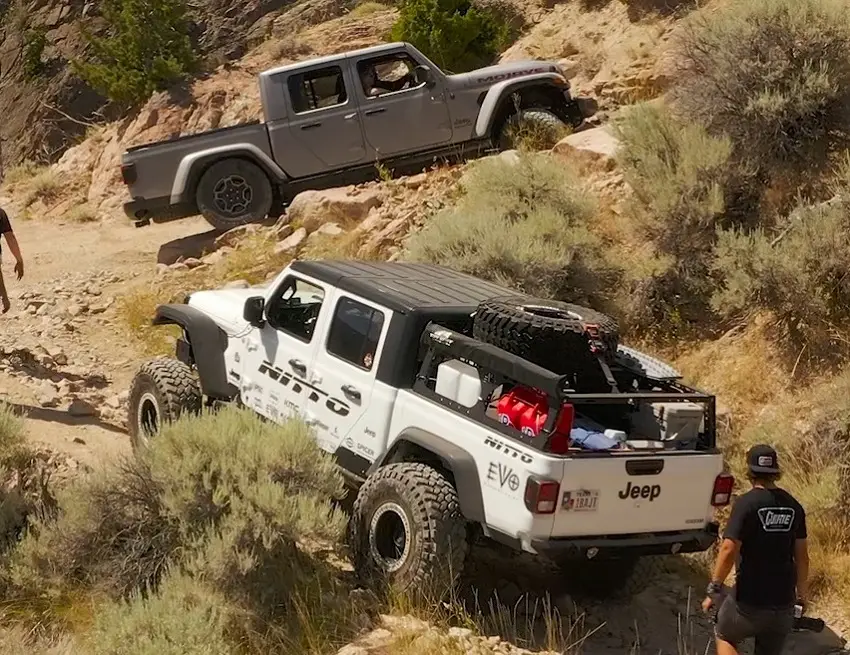
These are designed specifically for use in off-road vehicles where extreme conditions are common. To handle this difficult terrain most of the vehicles are lifted trucks, lifted jeeps, and all-terrain vehicles.
The main difference between off-road drive shafts and other types of drive shafts is that they must be able to withstand much more power and torque while operating at a low speed. This is particularly helpful with rock crawling.
In addition to being stronger than regular driveshafts, off-road driveshafts often feature double cardan joints which provide an even smoother transfer of power while giving improved articulation or the ability to manipulate the shaft at much greater angles (which is important when going over obstacles on the trail). The driveshaft tubes may also have thicker walls to handle the increased amount of torque.
Common Parts of a Driveshaft System
Universal joints
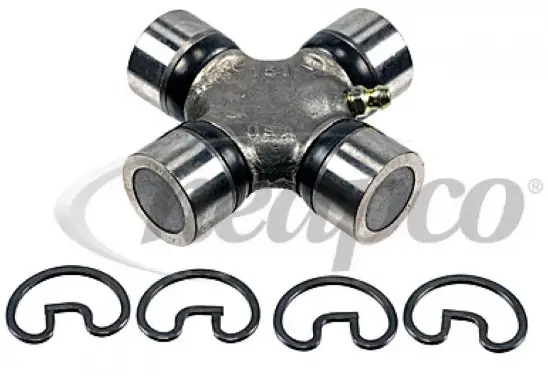
A universal joint, or u-joint as it is often called, is an essential component to any driveshaft. It is a cross shaped component that uses 4 caps with bearings inside to allow for the rotation and connection between two rotating shafts. The universal joint helps absorb vibration coming from the engine which prevents damage on other components. Their size is a correlated to the amount of force that can be exerted upon the drive shaft. The larger the universal joint the more power that can be transferred. U-joints can also be lubricated with grease or oil for better performance.
Yokes and Flanges
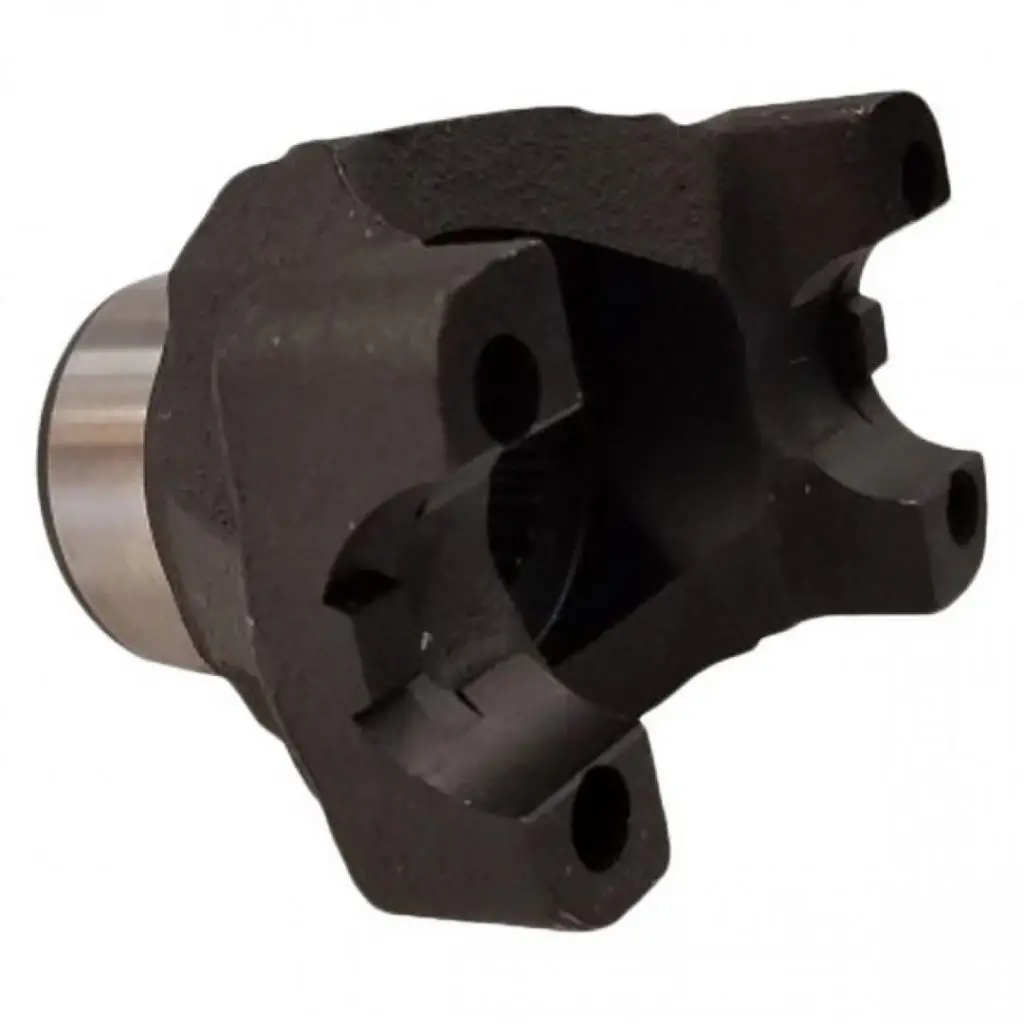
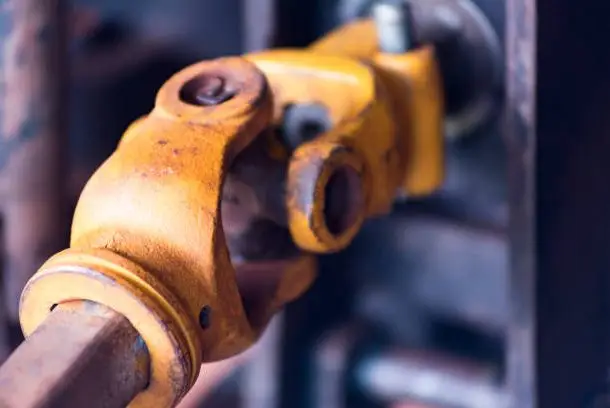
A yoke is an important part of a driveline, as it connects the shaft to either the axle or transmission output. It is typically constructed from steel and has a U-shaped portion that wraps around the universal joint with bolts to secure it. This allows for smooth power transfer between the two connected parts.
A flange is also used in driveshafts, and can be used in place of yokes to help fix the drive shaft to flat surfaces.. It consists of an outer ring with bolt holes placed around the circumference which allow for joining two parts together firmly. Flanges are available in a range of sizes and can be made from steel, aluminum or plastic depending on specific vehicle requirements.
The difference between a yoke and flange lies mainly in their strength. Yokes have greater tensile and shear strength than flanges due to their construction, making them more suitable for intense off-road conditions that are encountered by lifted trucks, jeeps, and all-terrain vehicles (ATVs). However, flanges can still provide solid performance when sufficient bolt tension is applied, so they are often used in applications where weight needs to be reduced such as racing cars.
Double Cardan Joints
A double cardan joint, also known as a CV joint or Constant Velocity joint, is extremely beneficial lifting a vehicle. It is a heavy-duty component that uses two universal joints connected by an H-yoke to allow for greater angles in the connection between the transmission and the axles. This allows the drive shaft to effectively transfer power even with extreme angles are produced by a lifted suspension. The double cardan joint also helps the driveshaft to rotate at a more consistent rpm, providing additional protection from wear and tear to other components. This increased flexibility also helps prevent damage from sudden acceleration or deceleration when driving in more aggressive off-road conditions.
Maintenance and Care for Drive Shafts
Regular maintenance and sometimes the repair of a driveshaft is essential to avoid problems, ensure optimal performance, reliability, and safety especially in high performance applications. As parts begin to degrade due to long periods of use, abuse, or extreme terrain, they can cause vibrations or breakage and potentially lead to driveline failure. Performing regular inspections and replacing worn parts can also help prevent more costly repairs down the line, as well as keeping your vehicle in good working order.
Bad Drive Shaft Symptoms
Symptoms of a bad or failing driveline may include vibration from the center of the vehicle, clunking or knocking noises when accelerating or driving over bumps, a shuddering feeling while accelerating or decelerating, an increase in fuel consumption due to increased friction, and difficulty cornering. A damaged drive shaft can also cause excessive damage on other components such as the engine and transmission, leading to more costly repairs in the future.
If any of these bad drive shaft symptoms become apparent, it is important to have the vehicle inspected by a qualified driveline mechanic and assessed to determine if repairs or replacements need to be made.
Tips for Keeping Your Driveshaft in Good Condition
- Perform regular inspections of all components, including the universal joints, shaft, and other components.
- Check for any wear, damage, or dents that might have occurred to the shaft or other parts.
- If you have greaseable u-joints make sure to grease them regularly
- Replace any worn parts with high quality parts to ensure proper fitment and durability.
- Tighten all bolts evenly and securely when making repairs, but make sure not to overtighten.
- Pay attention to any vibrations or noises coming from the driveshaft area while driving.
- If you hear a noise, investigate further or have the driveshaft inspected by a technician as it may be an indication of a deeper issue.
The driveshaft is an essential component of any vehicle and requires regular maintenance to ensure optimal performance. Knowing the difference between driveshaft components can help you make informed decisions about what parts are best for your car, truck or jeep. It will also help when placing orders and diagnosing issues. With proper care and attention, you can extend the life of your driveshaft significantly and avoid costly repairs down the line.
If you suspect that there may be something wrong with your driveline system, don’t hesitate to contact us. Our team of experienced technicians and engineers will help diagnose whatever issue you’re having so that it can be resolved quickly and efficiently – allowing you to get back out on the road or trail as soon as possible!
The Advantages of a 2 Piece Driveshaft in Your Jeep
Jeep Gladiators have become increasingly popular over the past few years. As each year passes Gladiator sales has been increasing and with good reason. The Jeep Gladiator is not a full-size truck and it’s not a regular jeep. It’s a pretty good blend of both. It’s one of the newest models in the Jeep family and it has quickly become a great choice for offroading enthusiasts and weekend warriors alike.
Jeep Gladiators are pretty popular with the overland crowd and for good reason. Gladiator owners also have the advantage of extra capacity for gear without compromising comfort.
A common upgrade Gladiator owners make is an aftermarket driveshaft. Jeep stock shafts are known to be weaker than custom driveshafts. They are not made to take the abuse that comes with rock crawling and running the trails. So if you have a stock driveshaft and you are looking to go offroad you will need to find a driveshaft shop that can give you an upgrade.
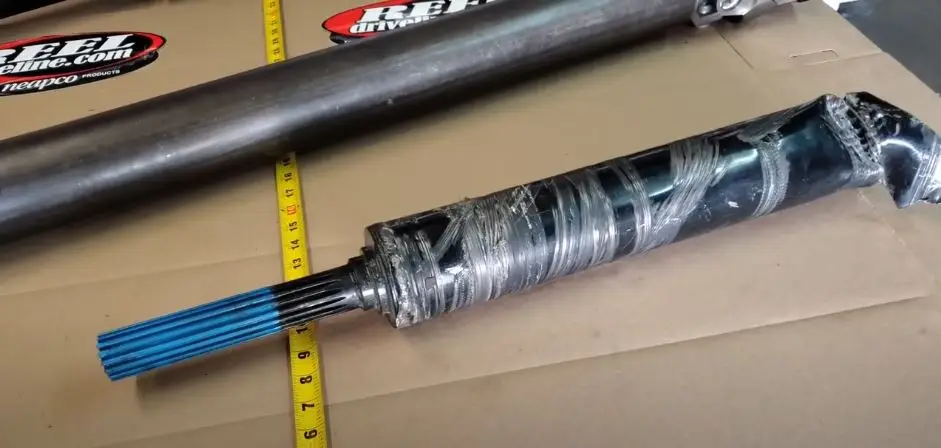
A 2 Piece Driveshaft is Less Likely to Get Damaged
An after market 2 piece driveshaft with stronger parts is the perfect upgrade for your Gladiator with a Jeep lift. One of the top reasons is the driveshaft, being two pieces, is held higher up and has far less tube exposed to the rocks and obstacles you are likely rolling over on the trail. A 1 piece driveshaft on a lifted Gladiator will typically have well over 75-80% of the driveshaft exposed to the rocks and debris. With a 2 piece driveshaft, you will only have a few inches exposed to the rocks greatly reducing your opportunity for damage.
When you are driving on the street there is very little that you have to worry about running over. You are driving on a flat surface, and for the most part, all you have to worry about is the occasional speed bump. The street provides a flat surface and that alone won’t do anything to harm your driveshaft. However, in an off-road setting, there are rocks everywhere, from big boulders to fallen trees, and everything in between. It’s difficult to go far without hitting something or having something hit your Jeep Gladiator driveshaft, that is if you have a 1 piece. With a 2 piece tucked away you increase your break over angle and will get much more out of your Gladiator.
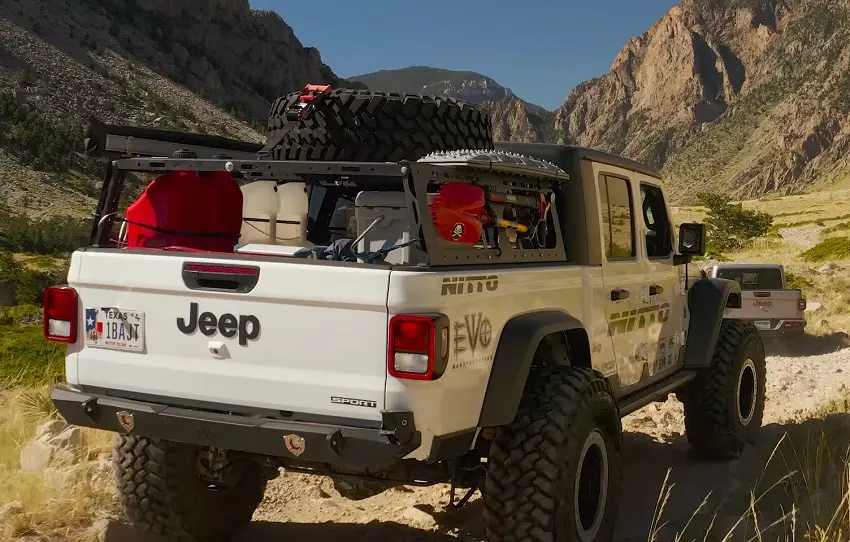
A 2 Piece Drive Shaft is Better for Lifted Gladiators
Another factor you will have to consider especially if you are taking your Gladiator off-road is the added amount of stress that will be put on your driveshaft. Like most other Jeeps when you buy a Gladiator one of the first upgrades is likely a Jeep lift and bigger tires. With larger tires and a Jeep lift your stock driveshaft just won’t cut it, you are going to need an upgrade. With a longer 1 piece, you will need a driveshaft with a larger diameter to help prevent vibrations that are a nightmare for a modified Jeep. When you increase that diameter you also increase your exposure to damage from obstacles you are running over. But with a 2 piece driveshaft, your Gladiator can have a smaller diameter tube and operate with a greater margin before having to worry about vibrations.
Other Jeep models come with a 1 piece rear driveline and you will want to upgrade to a stronger 1 piece to fit with the other upgrades on your Jeep. But with the Jeep Gladiator, you will have started with a 2 piece driveshaft. Some may think you can simply slap on an aftermarket 1 piece like with other Jeep models and have no issues but you will definitely want to use an upgraded 2 piece driveshaft. There is a reason the manufacturer built the Gladiator with a 2 piece driveshaft, it’s wise not to ignore that. This is especially true if you are going offroad, on trails, or rock crawling. Plus with a 1 piece driveshaft on your gladiator you are much more prone to vibration issues. And we will get into one of the best explanations and solutions for those vibration issues.
A 2 Piece has a Higher Critical Speed
One thing a 2 piece also improves upon but may not have been considered is the operating RPM. The longer the tube the bigger the diameter must be in order to maintain a safe operating RPM speed on the highway. The object is the keep a driveshaft below the critical speed. Critical speed is the RPM of a driveshaft at which the natural vibrations of the shaft will cause it to resonate and possibly fail. At critical speed, the driveshaft begins to bend and whip. This can cause your driveshaft slip yoke to separate from the stub shaft and break. At critical speed, some driveshafts have had the tube explode in the middle.
A common mistake is going too long on a tube size without realizing how much that impacts your operating RPM speed. With the added stress and torque you will likely want to put on your Jeep Gladiator this is something that can be really easy to do. Though if you have a 2 piece driveshaft then you no longer have the limitations of a low critical speed. We have a great video on youtube that provides great detail in this area.
A 2 piece driveshaft is more durable and can handle more power than a stock driveshaft. It’s also less likely to get damaged offroading and rock crawling, making it a safer option for off-road adventures. If you’re looking to add more power to your Gladiator, a 2 piece driveshaft is the way to go. Driveshafts are not the flashiest upgrade on your Jeep, but the right upgrade will keep you out on the trail.
5 Reasons Why A Custom Driveshaft Should Be One Of Your First Jeep Mods
If you have ever owned a Jeep you know there are all sorts of modifications and jeep accessories to consider. When your jeep comes out of the factory it may not feel like home on the road. There are all sorts of interior and exterior changes to make that vehicle your own. From seat covers and skid plates to a winch and recovery gear the kits and accessories can seem endless. But anyone who has ever had a custom drive shaft installed will tell you that it’s one of the best jeep modifications when customizing their new Jeep.
Whether you have a Jeep Wrangler or Jeep Gladiator an upgraded drive shaft can help make your ride smoother and safer, improve performance, and increase fuel efficiency. But why is upgrading your drive shaft such an important modification? Ultimately it will save you a lot of heartache and money down the trail. And we will tell you exactly why. So, consider this a helpful jeep guide that will give you the top 5 reasons why a custom driveshaft is one of your best jeep upgrades.
You are lifting your jeep
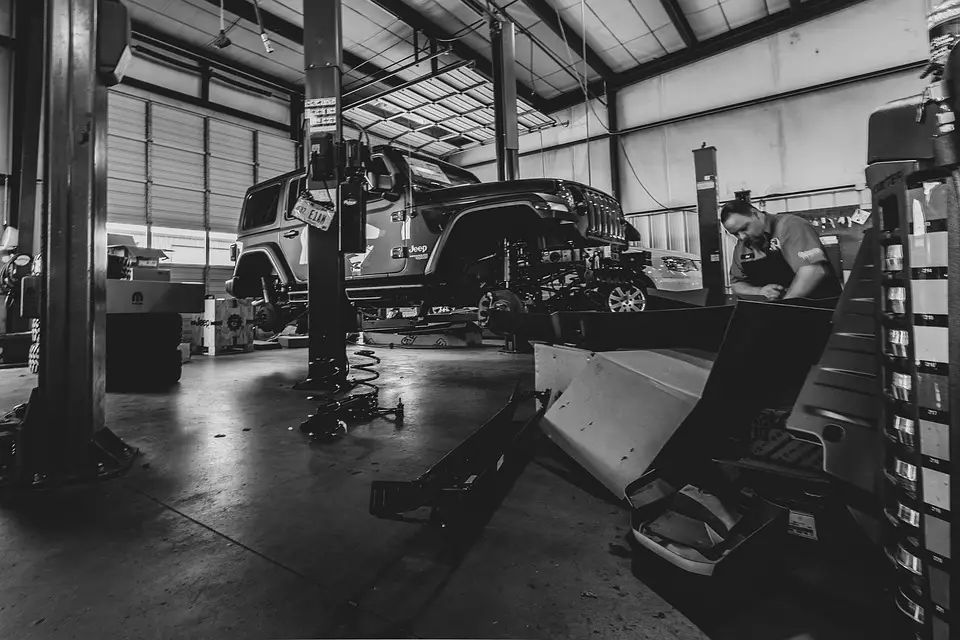
Most lifts are 2 1/2″ to 4 1/2″ of lift, you will also find some lift kits go up to 6 1/2″. Rough Country readily advertises a 6-inch lift kit. The higher the lift the more likely the stock drive shaft will no longer be long enough to reach the vehicle’s transmission or axle. The higher the lift the more angle to your driveline and the longer the driveshaft will need to be. There are lift shops that will try to cut corners but it ultimately will cut your ride short. A good jeep lift shop will explain this to you and make sure you have everything you need to avoid hassles.
When you go shopping for lift kits remember you are buying more than just a lift. When you decide to get a lift kit you aren’t just changing the height of the jeep you are also changing its operating angle. This creates more stress, friction, and heat on the drive shaft. Signs of this are if your driveline squeaks a lot, you have to exert a lot of force on the shifter, or there’s any abnormal noises coming from your transmission during acceleration, deceleration or turning. Another tale tell sign is you get vibrations from the drivetrain.
A good custom driveline shop will pour over every detail when they look at the specs for your lift kit. They need to make sure they don’t just order one piece without further considerations but instead should ensure everything works together perfectly so there isn’t any additional strain on either the axle or the transmission. The best drive shafts are the ones made specifically for your vehicle.
You want bigger tires on your jeep
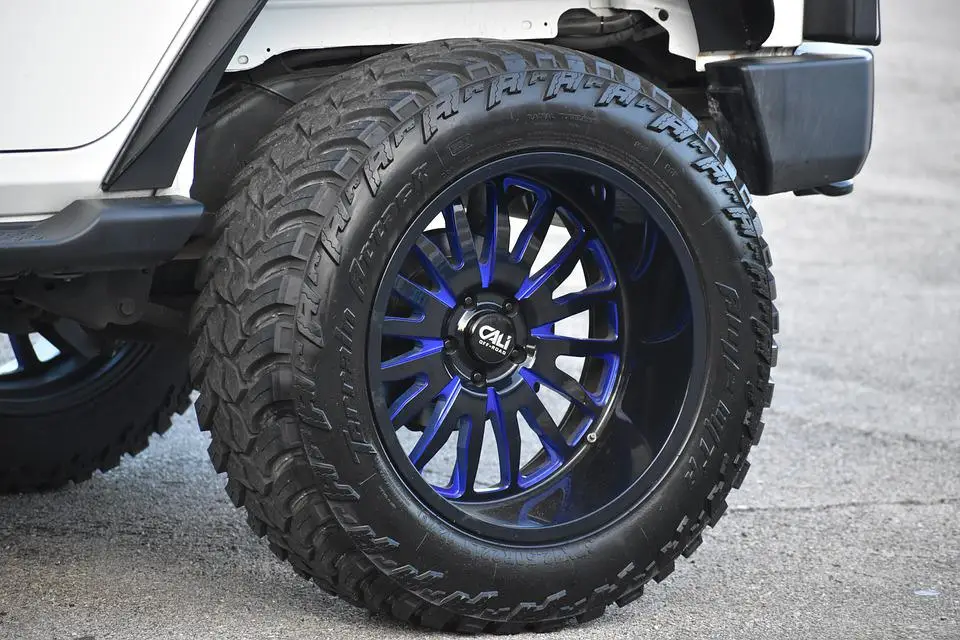
The custom drive shaft is an absolute necessity for your jeep when you put bigger tires on it. Putting 37″ tires on a Jeep Wrangler is very common and putting even larger tires are common on a Jeep Gladiator. As the tire size increases the amount of torque applied to the drivetrain increases. Because of this a custom driveshaft is needed to support the added torque needed to move those larger tires. When in doubt ask a one of the guys at J.E. Reel Driveline and they will take a look at your specs and they can determine if you need an upgrade or not. But if you are getting bigger tires, you probably have a lift as well, so you will likely need an upgrade.
A lifted jeep with big tires always looks good, but you need to make sure you have the right parts underneath otherwise you just have a very expensive lawn ornament. With the big tires comes a bigger need to transfer power efficiently to those big tires. And that is not possible if you have a stock driveshaft that crumbles under pressure.
Prevent Driveline Failures
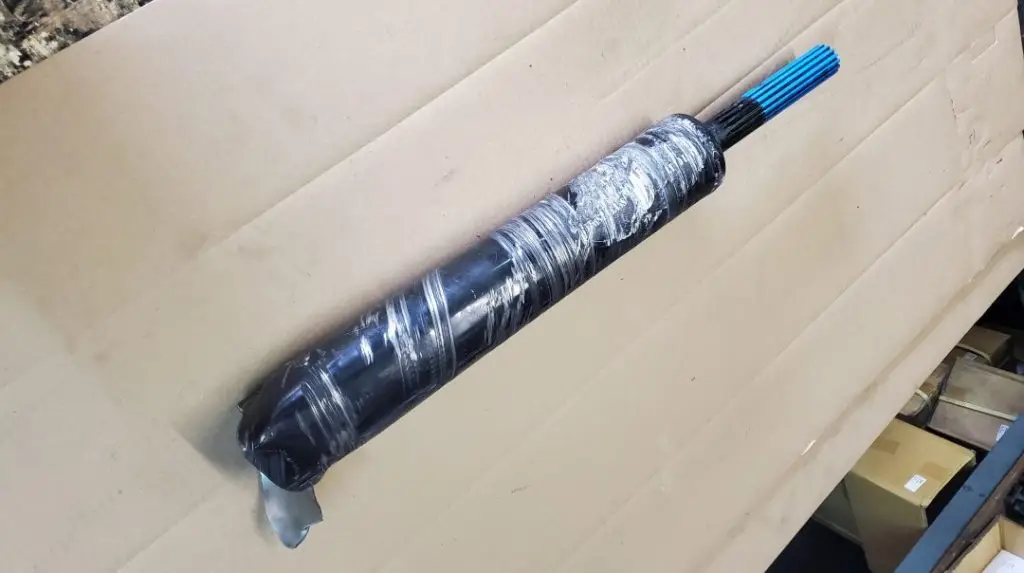
Engines are heard and tires are seen, but it is the driveshaft that connects the two. The driveline is the link between your engine and your wheels. The drive shaft works in unison with the transfer case and rest of your drivetrain to transfer engine power. If you don’t invest in a quality drive shaft then the power you are looking for will come at a hefty price; driveline failures that can leave you stranded on the trail.
Without a custom drive shaft, the extra torque needed for bigger tires, off roading, rock crawling, or just going on a trail will crush your driveline like an empty beer can at a frat party. Your custom driveline connects your engine to your wheels and without a strong and reliable one, you’ll only leave tire tracks where you sit.
When you are making modifications to your jeep the object is to improve its performance. This isn’t just the engine and wheels but everything in between as well. And to connect the two properly and sustain the horsepower you also need to consider the parts in between. What they say about a weak link is true, so your jeep will only be as strong as its weakest link. Therefore, it’s important to find a custom drive shaft that has been designed for improved performance.
You want to go off road with your jeep
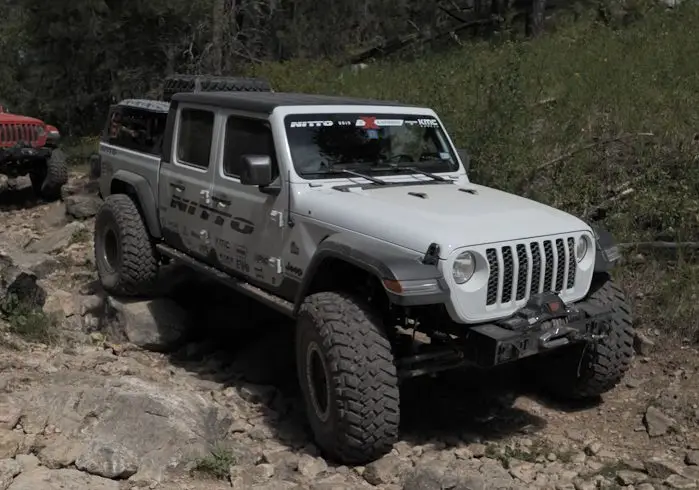
When you get out there to explore the trails, you need to do it safely. And a big part of safety is making sure you can come back home. A big reason a lot of jeeps get stuck on the trail is due to driveline failure. There’s nothing worse than having no power when you’re halfway up a hill or mountain. When you go off-roading, no matter how careful and alert you are accidents can happen. So, prepare ahead of time.
When you are driving on a trail you aren’t driving on smooth level surfaces. When you change the terrain, you are asking for more power from your jeep. This doesn’t just mean more power and torque from your engine but your drive shaft as well. And when you decide to take that jeep for a crawl over that boulder you will crush that driveshaft like a tin can if you didn’t get an upgrade. Just think about the extra energy it takes to walk on a paved surface versus walking up a mountain trail or on the beach. If it takes more out of you it will take more out of your jeep as well.
You are making other modifications to your Jeep to get more horsepower or torque
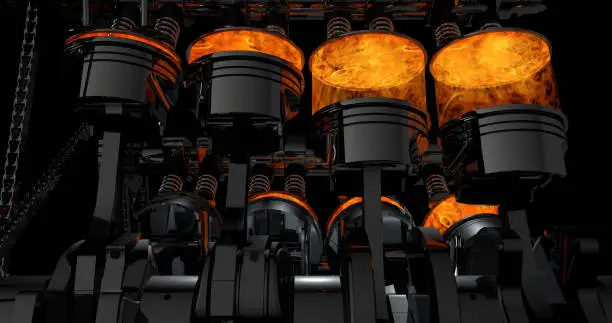
Many changes people make to their vehicles are jeep accessories that don’t change the horsepower. But some of the best jeep upgrades do increase the horsepower and that makes a big difference. OEM driveshafts were not made for the extra power you plan to put in your jeep. If you put out more power from your engine then it is likely that the driveshaft will not be able to handle all of those extra ponies. If you’re customizing your jeep for some other reason, such as a transmission upgrade or changing out the gears, this can also affect how much torque and horsepower you need from your drive shaft to handle.
The bottom line is that even though a driveshaft is under the jeep and you rarely see it in pictures it has a big impact on how you enjoy your jeep. A lot of jeep owners are swapping out their axles to handle rougher terrain. Well, if you are making those changes you will need a driveline to match. In just a few minutes of research on the internet you will find many options for custom driveshafts. It is important to go to a driveshaft shop that understands your needs and has the expertise to get the job done right. JE Reel Driveline specializes in jeep, off road, and high performance driveshafts. If you have any questions or need help reach out to us and we can make a drive shaft that fits your specific needs.