Understanding Driveshafts and Common Causes of Breakage
A driveshaft plays a crucial role by transmitting torque from the engine to the wheels, enabling motion. When considering “what is a driveshaft,” it’s important to know this crucial component for your vehicle withstands immense rotational forces. Common causes of breakage include excessive wear, lack of lubrication, and abrupt impacts. Symptoms of bad driveshaft issues often present as vibrations or loud noises. Monitoring for bad drive shaft symptoms can help prevent sudden failures.
Content:
- Driveshaft Function and Components
- Common Reasons for Drive Shaft Breakage
- Safety Measures to Take When Your Driveshaft Breaks
- Towing and Repair Options for a Broken Driveshaft
- Preventative Maintenance Tips for Driveshaft Health
- Visual Inspection Techniques for Driveshafts
- Costs Associated with Driveshaft Repairs
- Conclusion
Driveshaft Function and Components
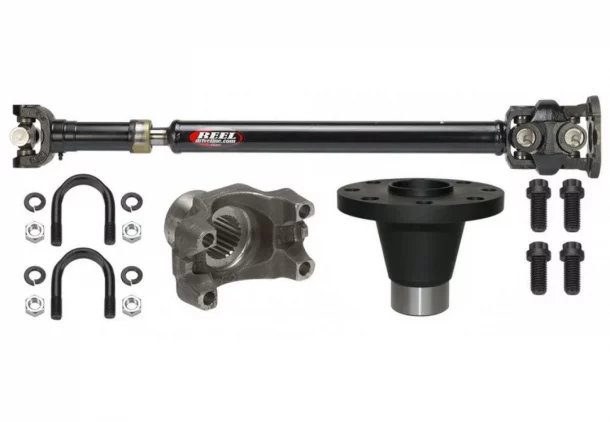
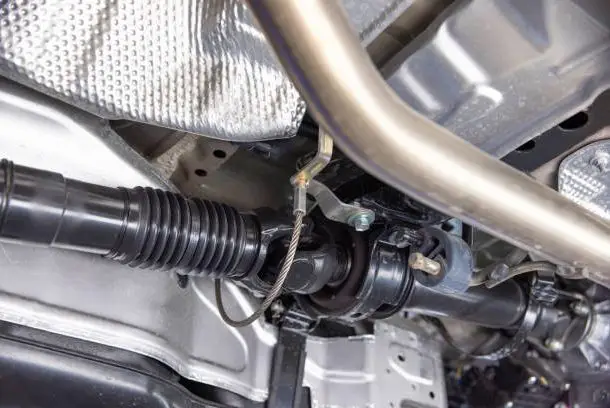
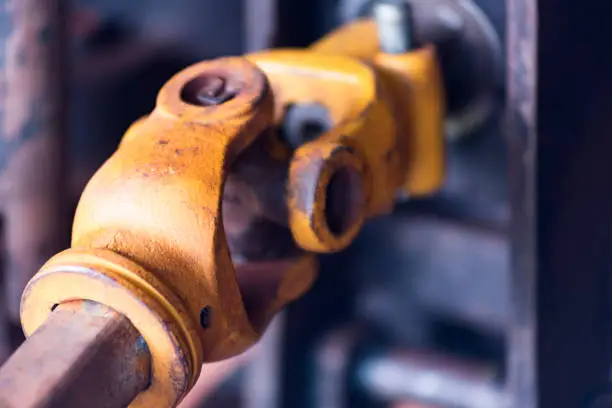
A driveshaft transmits power from the engine to the wheels, but not directly. The driveshaft connects from your transmission (which gets power from the engine) sending power to your axle or transfer case (which transfers the power to your wheels). This power chain, or called a powertrain, ensures effective vehicle movement. Consisting of a tube, universal joints (u-joints), and yokes or flanges, driveshafts handle torque and rotation. Signs of a bad driveshaft include vibrations and clicking or clunking noises. When asking “what happens if my drive shaft breaks while driving,” expect potential loss of vehicle control and no power getting to your wheels. Understanding driveshaft components helps identify symptoms early, preventing costly repairs.
Common Reasons for Drive Shaft Breakage
Driveshaft breakage can occur due to several reasons. Excessive wear and tear are common culprits, often leading to bad drive shaft symptoms such as vibrations and clunking noises. Poor maintenance and lack of lubrication to the u-joints may also cause failure. Accidents or collisions can physically damage the driveshaft. Additionally, off-road driving stresses the drive and propeller shaft, increasing breakage risk. Understanding these factors can help prevent costly repairs.
Safety Measures to Take When Your Driveshaft Breaks
Drivers must stay calm if their driveshaft breaks while driving. Reduce your speed safely and steer towards the shoulder. Use hazard lights to alert other drivers. Avoid sudden movements to maintain control. Contact a towing service to transport the vehicle to a repair shop. Understanding bad drive shaft symptoms and knowing what causes a drive shaft to break can prevent future issues and unexpected repairs.
Towing and Repair Options for a Broken Driveshaft
When faced with drive shaft failure, towing is essential. Contact a reliable towing service immediately. Repair shops will assess drive shaft repair costs, but most of the time they will have to contact a driveline shop like ours to get the repairs done properly. If the damage is severe the driveshaft will need to be replaced. Rear and front drive shaft replacement costs may vary by vehicle type, a BMW 325 Rear driveshaft is very different from a Dodge Ram 3500 front driveshaft. So knowing signs of a bad drive shaft and some of the common parts help to guide timely repairs.
Preventative Maintenance Tips for Driveshaft Health
Routine visual inspection is key to catching early signs of a bad driveshaft. Check for rust, dents, or missing components. Proper lubrication or replacement of universal joints prevents wear and helps ensure longevity. Make sure the driveshaft stays aligned, as misalignment can lead to premature failure. Promptly address any symptoms of bad driveshaft such as vibrations or clunking noises to avoid costly repairs. For this to be done properly it is recommended going to a reliable driveshaft shop near you. And if you have any questions please reach out to us.
Visual Inspection Techniques for Driveshafts
It’s crucial to regularly inspect your driveshaft. Look for rust, dents, or missing components, which can be signs of a bad driveshaft. Check for grease leaks around the universal joints, an early symptom of a problem. Use a flashlight to get a clear view underneath. Promptly addressing these visual cues could help prevent issues like a drive shaft break while driving and mitigate high drive shaft replacement costs.
Addressing drive shaft issues promptly can prevent severe problems. Ignoring bad drive shaft symptoms can lead to further damage and higher drive shaft replacement cost. When you notice signs of a bad driveshaft, such as vibrations or noise, take action immediately. Understanding what happens if my drive shaft breaks while driving underscores the importance of timely repairs. Prompt attention helps avoid costly drive shaft repair costs.
Costs Associated with Driveshaft Repairs
Various factors contribute to the drive shaft repair cost. These include the vehicle type, labor rates, and parts needed. For instance, a semi truck drive shaft replacement can be more expensive than a car’s. The drive shaft replacement cost for a Chrysler 300 might differ significantly from that for a ford f150 drive shaft. Prompt attention to the symptoms of a bad driveshaft can mitigate expenses.
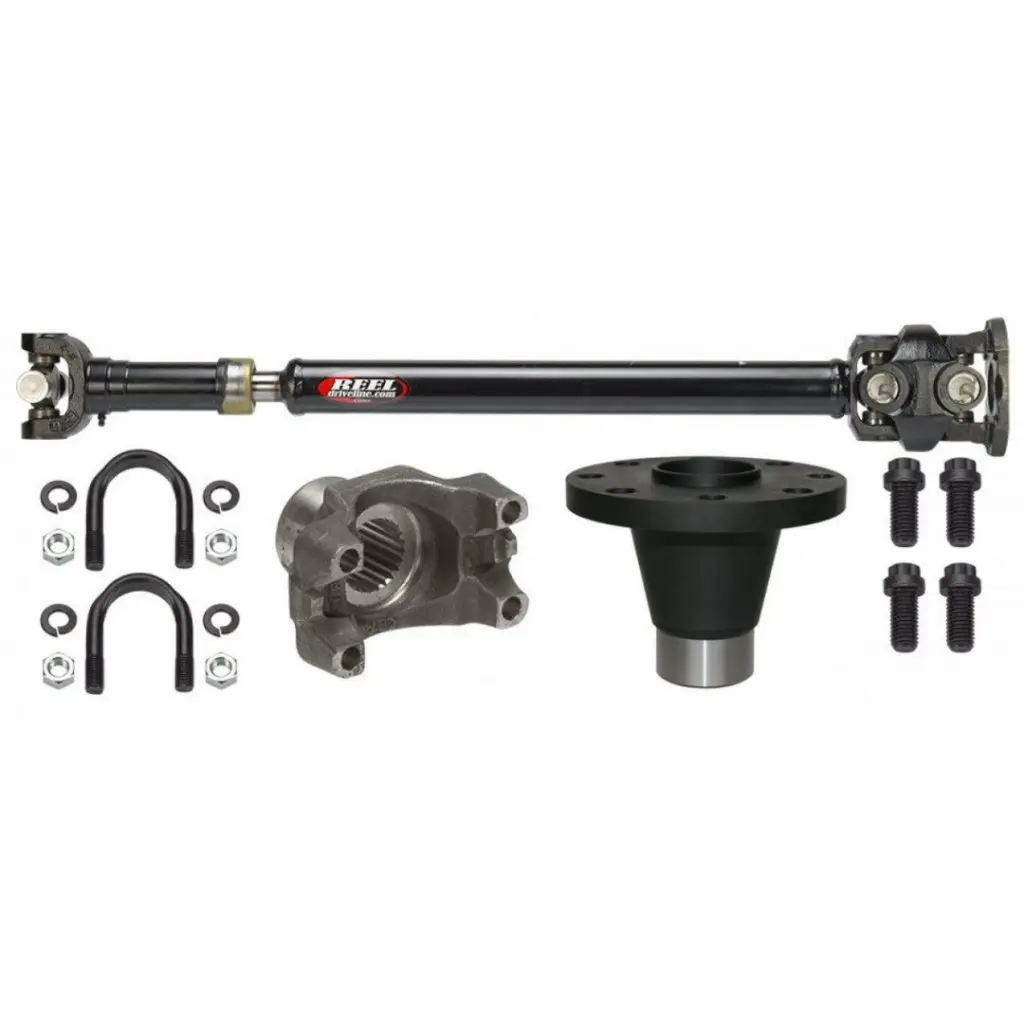
Repair costs can vary widely based on several factors. The type of vehicle, whether it’s a semi truck or a sedan plays a significant role. Labor rates fluctuate depending on location and complexity. Additionally, the specific parts required, such as Chromoly yokes or an entire driveshaft assembly, impact pricing. Prompt attention to signs of a bad driveshaft can prevent costly repairs.
Conclusion
Addressing driveshaft issues promptly is crucial for vehicle safety. Ignoring symptoms of a bad driveshaft can lead to severe damage. Understanding what a driveshaft does and how it breaks helps in early detection. Knowing the cost to replace a driveshaft assists in budgeting for repairs. Regular maintenance mitigates risks, ensuring longevity and reliability. Seek professional help if unsure about repair needs. Your vehicle’s safety depends on it.