1310 vs. 1350 U-Joints: The Ultimate Driveline Upgrade Guide
When building a reliable off-road rig, muscle car, or tow vehicle, your driveshaft’s universal joints (U-joints) are the critical links keeping power moving to your wheels. If you are ordering a custom driveline, you will inevitably face a choice: Should you stay with a 1310 series or upgrade to a heavy-duty 1350 series?
Understanding how these sizes differ in strength, dimension, and real-world application is the key to preventing a catastrophic failure on the trail or track.
What Are U-Joints and Why Do They Matter?
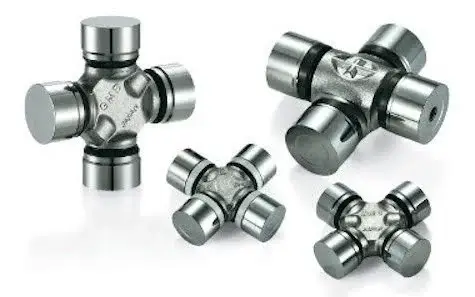
Universal joints (U-joints) are flexible, cross-shaped connectors sitting at each end of a driveshaft. They allow the shaft to rotate smoothly and continuously transfer power even as your vehicle’s suspension moves up and down, altering the driveline angle.
Upgrading your U-joint series doesn’t just mean changing the cross itself—it means your yokes, companion flanges, and the driveshaft tubing are all upgraded to larger, significantly thicker components.
What is the Difference Between 1310 and 1350 Series Joints?
The core difference between a 1310 and a 1350 series joint comes down to physical dimensions and ultimate yield strength:
- 1310 Series (“The Half-Ton Standard”): This is the classic factory standard found in most stock Jeeps, half-ton pickup trucks, and classic muscle cars. It uses a cap diameter of 1.062 inches and a body width of 3.219 inches.
- 1350 Series (“The One-Ton Muscle”): Found stock in heavy-duty 1-ton commercial trucks, the 1350 series is built for brutal punishment. It features a larger 1.188-inch cap diameter and a 3.625-inch body width.
1350 U-Joint: Pros and Cons
- Pros: Offers roughly 37.5% more torque handling capacity than a 1310 joint. It delivers unmatched durability, handles extreme shock loads, and provides complete peace of mind.
- Cons: Higher initial cost. Upgrading requires changing out your transfer case and differential yokes. Additionally, because of the larger body size, a standard 1350 joint can have slightly less angular flexibility (operating angle clearance) before binding compared to a 1310.
When Should You Consider Upgrading to 1350 U-Joints?
A 1350 upgrade isn’t always mandatory, but it becomes necessary when your vehicle hits certain performance thresholds:
1. Tire Sizes of 35 Inches or Larger
Large, heavy off-road tires create massive rotational mass. When crawling over rocks or spinning through mud, the leverage exerted by a 35-inch, 37-inch, or 40-inch tire places immense strain on the driveline that can easily snap a stock 1310 joint.
2. High Horsepower and High Torque
If you have swapped in a V8 engine, added a supercharger, or built a high-performance track engine, the severe torque output will rapidly twist or break weaker factory joints.
3. Low-Gear Ratios (Heavy Load)
A common point of confusion is gear ratios. Numerically lower gear ratios (such as 3.21, 3.55, or 3.73) mean your driveshaft spins slower but carries a much higher torque load per rotation to move the vehicle. Conversely, numerically higher ratios (like 4.88, 5.13, or 5.38) multiply torque at the axle, meaning the driveshaft spins faster but with less structural effort. If you are running low numerical highway gears with large tires, your driveshaft is working overtime.
4. Heavy Overland Builds and Towing
Weight kills drivetrain parts. If your rig is loaded down with steel bumpers, winches, rooftop tents, and overland gear—or if you frequently tow heavy trailers—the constant load requires 1350-level strength.
5. Aggressive Driving Styles
If your driving style dictates a “when in doubt, send it” mentality, structural insurance is mandatory. Shock loading—like bouncing on a ledge and landing with the throttle wide open—is the number one cause of broken U-joints.
Front vs. Rear Driveshaft Priorities
Because your vehicle operates in 2WD on the street most of the time, your rear driveshaft is the primary driver and shoulders the bulk of the work.
- The Rear Shaft: Should almost always be upgraded first. If budget allows, a 1350 rear shaft is highly recommended for any modified vehicle.
- The Front Shaft: Can often remain a 1310 or a hybrid joint longer because it only splits the load when 4WD is fully engaged.
Advanced Driveline Factors to Consider
1. The Myth of the Driveline “Fuse” (Trail Repairs vs. Reality)
Many off-roaders deliberately choose a 1310 series joint because they want a cheap, $25 “fuse” that breaks before an expensive transfer case or differential gear set does. While this sounds good in theory, trail reality is very different.
When a 1310 joint fails under heavy throttle, it rarely breaks cleanly. The cross usually grenades, instantly splaying the driveshaft ears or twisting the yoke. Once those component ears are warped, you cannot simply press a new U-joint in on the trail—the entire driveshaft is ruined. Upgrading to a 1350 prevents the failure altogether rather than gambling on a messy trail fix.
2. Generational Axle Upgrades (Why Vehicle Year Matters)
Axle names can be deceiving. For example, a modern factory Dana 44 found in a newer Jeep JK or JL platform is a completely different animal than an old Dana 44 from a Jeep TJ. Modern vehicle platforms feature significantly thicker pinion shafts, stronger differential gears, and larger transfer cases built to withstand massive stress. Because your stock surrounding components are already so robust, they can easily handle the strength of a 1350 upgrade without passing a breaking point down the line.
3. Short Wheelbase Angle Restrictions (2-Door vs. 4-Door)
Your vehicle’s wheelbase length heavily impacts which series can physically clear your suspension lift. Short wheelbase rigs—such as 2-door Jeeps or short-bed classic trucks—experience much steeper driveshaft operating angles when lifted. Because a 1350 U-joint has a physically larger body, it has less internal clearance and will bind at a shallower operating angle than a 1310. If you have a short-wheelbase vehicle with a massive lift, a high-clearance 1310 or a highly specialized high-angle custom shaft may be required to clear the angles without binding.
4. Note for Upgrading Vehicles with Stock Shafts
If you are planning to buy a spare U-joint to keep in your rig for a factory driveshaft, be aware that many modern stock 4x4s do not use standard 1310 or 1350 cross-joints from the factory. Instead, modern platforms frequently use enclosed Rzeppa-style CV joints on the transfer case side. Upgrading to a durable, traditional 1310 or 1350 double-cardan setup requires replacing the entire factory driveshaft and changing out the stock companion flanges for custom output yokes.
Build with Room to Grow at JE Reel Driveline
Don’t wait to get stranded on a trail with a snapped driveshaft. At JE Reel Driveline, we carry an extensive inventory of high-strength 1310 series parts, heavy-duty 1350 series setups, and custom yokes to handle everything from mild daily drivers to extreme King of the Hammers race rigs.
Unsure which setup aligns with your tire size, gear ratio, and application? Follow our step-by-step blueprint on how to measure a driveshaft to gather your specs, then consult with one of our driveline pros to engineer your perfect setup.
Call Our Tech Line: 909-629-9002
Email Us: contact@jereel.com
What is a Double Cardan Joint? Single vs. Double Cardan Driveshafts Explained
If you are upgrading or replacing the driveshaft in your Jeep, truck, or SUV, navigating driveline terminology can feel overwhelming. One of the most critical decisions you will face is choosing between a conventional single-cardan and a high-performance double-cardan driveshaft.
Understanding how these joints operate—and how they handle operating angles—is the secret to eliminating driveline vibrations and protecting your vehicle’s drivetrain components.
What is a Single-Cardan Driveshaft?
A single-cardan driveshaft (often called a conventional, standard, or non-CV driveshaft) features a single universal joint (U-joint) at each end of the shaft. While highly effective for factory applications at flat, stock ride heights, a single universal joint fluctuates in speed as it rotates through an angle.
When your vehicle’s operating angle becomes too steep—such as after installing a suspension lift kit—these speed fluctuations turn into severe, annoying driveline vibrations that can accelerate wear on your transmission, transfer case, and differential seals.
What is a Double-Cardan Driveshaft? (And How It Works)
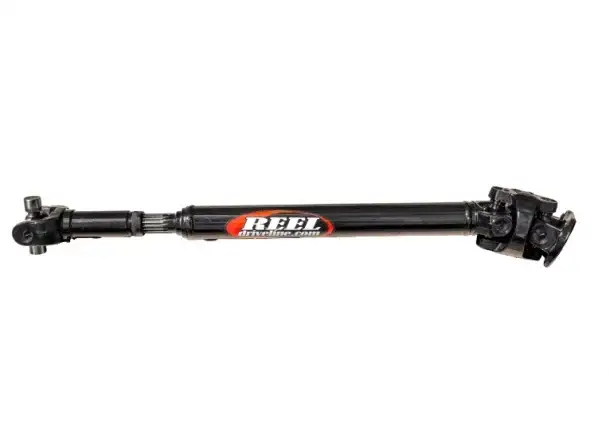
A double-cardan joint (commonly referred to as a Constant Velocity or CV joint) consists of two universal joints mounted back-to-back, connected by a specialized centering yoke or ball socket mechanism. Typically installed at the upper end of the driveshaft near the transfer case or transmission output, the two U-joints work in unison.
The magic of the double-cardan design lies in physics: as the shaft rotates, the non-uniform speed fluctuation caused by the first U-joint is precisely canceled out by the second U-joint. This phase cancellation delivers a perfectly smooth, constant velocity of power to the output end, even when handling severe, steep operating angles.
Busting a Common Myth: A frequent misconception is that a double-cardan joint is designed to flex twice as far as a single joint before binding. This is fundamentally incorrect. While some heavy-duty CV assemblies offer slightly higher maximum operating angles, the primary purpose of a double-cardan joint is smooth, vibration-free operation at elevated angles, not extreme articulation clearance.
When Should You Upgrade to a Double-Cardan Driveshaft?
You should consider stepping up to a double-cardan setup in two primary scenarios:
- Replacing a Factory CV Shaft: If your vehicle came equipped with a double-cardan driveshaft from the factory, you should always replace it with a double-cardan setup to maintain proper ride quality.
- Post-Lift Kit Vibrations: If you have lifted your 4×4 or truck and are experiencing a noticeable drivetrain shudder or vibration, your single-cardan layout is likely binding or operating outside of its acceptable angular limits. Upgrading to a double-cardan assembly is the definitive solution to restore a smooth ride.
Technical Requirements for Upgrading
Switching your vehicle from a single-cardan to a double-cardan setup is a highly effective upgrade, but it is rarely a “drop-in” modification. To achieve a perfectly vibration-free setup, keep the following requirements in mind:
- Slip Yoke Eliminator (SYE): If your vehicle utilizes a standard factory slip yoke sticking out of the transfer case (common on Jeeps like the Wrangler TJ or Cherokee XJ), you will need to install a Slip Yoke Eliminator kit to convert the output to a fixed flange or yoke.
- Pinion Angle Correction: For a single-cardan shaft, your transfer case output and differential pinion must be perfectly parallel. However, for a double-cardan shaft, your differential pinion must point directly at the transfer case output shaft (typically $1^\circ$ to $2^\circ$ below the centerline to account for axle wrap under acceleration). You will need adjustable control arms or pinion shims to set this geometry properly.
- Get Accurate Measurements: Because these modifications alter your spacing, never guess on lengths. Always take exact measurements using our step-by-step guide on how to measure a driveshaft before ordering your custom build.
Eliminate Your Drivetrain Shudder with JE Reel Driveline
At JE Reel, we specialize in high-clearance, heavy-duty double-cardan driveshafts engineered to handle the severe angles of lifted Jeeps, off-road trucks, and high-horsepower custom projects. Whether you need a rugged 1310 setup or a bulletproof 1350 Series CV driveline, our 40+ years of racing heritage ensures your vehicle handles every trail and highway smoothly.
Have questions about fixing your pinion angle or choosing the right CV driveshaft for your application? Reach out to our driveline pros today!
Call Us: 909-629-9002
Email Us: contact@jereel.com
Why Carbon Fiber Driveshafts Are Revolutionizing Off-Roading
Off-roading enthusiasts, get ready to shift gears! Carbon fiber driveshafts are making waves in the automotive world, offering a game-changing combination of performance, safety, and durability. Whether you’re rock crawling in a Jeep or pushing the limits in a trophy truck, carbon fiber is redefining what’s possible on the trails. But what exactly makes these driveshafts so revolutionary? Let’s dive into the details and explore why carbon fiber is the future of off-road performance.
The Advantages of Carbon Fiber Driveshafts
Carbon fiber driveshafts aren’t just a flashy upgrade—they offer a wide range of practical benefits that make them a superior option for off-road and high-performance vehicles. Here’s what sets them apart:
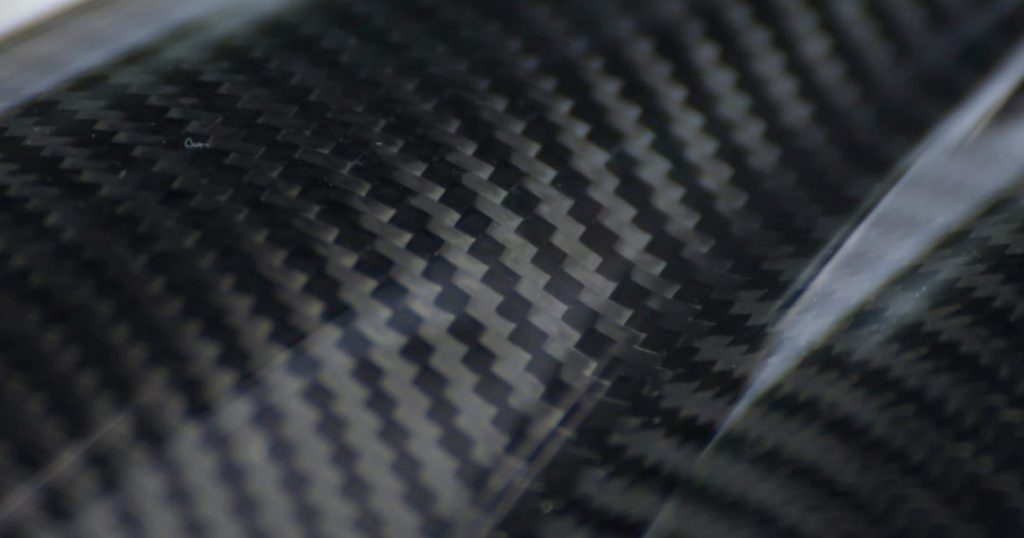
- Lightweight Construction:
- Carbon fiber is significantly lighter than steel, reducing the overall weight of your vehicle and consequently improving performance. A lighter vehicle can accelerate faster and navigate rough terrains more efficiently.
- Vibration Resistance:
- These driveshafts excel at eliminating vibration, which leads to a smoother ride, especially at high speeds or over rugged surfaces. Vibration can compromise the vehicle’s control and performance, making this feature highly desirable.
- Durability Under Stress:
- Carbon fiber driveshafts are engineered to withstand extreme torque and torsional loads, handling the pounding that off-road vehicles endure during vigorous activities like rock crawling and racing. The materials used are designed for high-stress conditions, ensuring reliability and performance.
- Safety Benefits:
- Unlike steel driveshafts that can break with jagged edges, posing significant risks to occupants and nearby components, carbon fiber breaks into a safe “ribbon” that minimizes injury risk. This characteristic enhances driver and passenger safety during high-speed runs and challenging terrains.
- Improved Responsiveness:
- The lightweight nature of carbon fiber allows for quicker acceleration and better handling dynamics, making your vehicle more responsive on the track or trail.
These features make carbon fiber driveshafts a compelling option when tackling desert trails, competing in trophy truck races, or upgrading your ride for better off-road performance.
Why Smaller Carbon Fiber Driveshafts Are Ideal
One of the key innovations in carbon fiber driveshaft design is the move to smaller diameters, particularly for trophy trucks and off-road applications. But why go smaller? Here’s the reasoning:
- Higher Ground Clearance:
- A smaller driveshaft offers better clearance, reducing the risk of damage from debris and rocks. This design helps maintain the integrity of the driveshaft and the undercarriage when navigating obstacles.
- Smaller Target for Impact:
- With a reduced diameter, there is less surface area for rocks and other obstacles to hit, significantly improving the component’s survival rate.
- Incredible RPM Capacity:
- At just 2.5 inches in diameter, a carbon fiber driveshaft can handle up to 19,000 RPM—far exceeding the limits of traditional steel options. This is crucial for high-performance applications where every bit of effective energy transfer counts.
By focusing on these improvements, engineers are creating driveshafts that not only perform better but also last longer in demanding environments.
Debunking Myths About Carbon Fiber
Despite its advantages, carbon fiber has faced its share of misconceptions. Many of these myths stem from outdated knowledge about earlier manufacturing methods. Today’s carbon fiber driveshafts are a different story:
- Improved Durability:
- Modern carbon fiber wraps are engineered to endure torsional loads, preventing issues like unwinding or breaking under stress.
- Sacrificial Layers:
- Innovative designs incorporate fiberglass layers to protect against road rash, ensuring the core carbon fiber remains intact, which increases their longevity.
- Proven Bonding Techniques:
- High-performance epoxy adhesives, originally developed for aerospace applications, ensure a strong and reliable bond, making today’s carbon fiber driveshafts much safer and more robust than ever before.
With these advancements, carbon fiber driveshafts have shaken off the label of being fragile or prone to failure. They are now seen as a reliable choice for any high-performance vehicle.
Safety: A Game-Changer for Carbon Fiber
When it comes to safety, carbon fiber driveshafts offer distinct advantages over steel. In the event of a failure, steel driveshafts can break with jagged edges and even puncture the vehicle cabin, posing serious risks to drivers and passengers. Carbon fiber, however, behaves differently:
- Breaks Safely:
- When a carbon fiber driveshaft fails, it unravels into a ribbon, reducing the risk of sharp, flying debris.
- Reduced Cabin Damage:
- Even in mid-engine cars where the driveshaft runs close to the seats, carbon fiber minimizes the risk of injury compared to steel, enhancing overall safety during high-performance activities.
These safety features are critical in high-stakes environments, such as trophy truck racing, where reliability and driver protection are paramount. The lower risk of injury associated with carbon fiber driveshafts cannot be overstated, offering peace of mind to racers and off-road enthusiasts alike.
The Future of Carbon Fiber in Automotive Engineering
Carbon fiber is no longer a niche material in the automotive industry; it’s becoming a cornerstone of automotive innovation. Engineers continue to push the boundaries, developing new epoxies that can withstand even higher temperatures and refining designs to maximize performance.
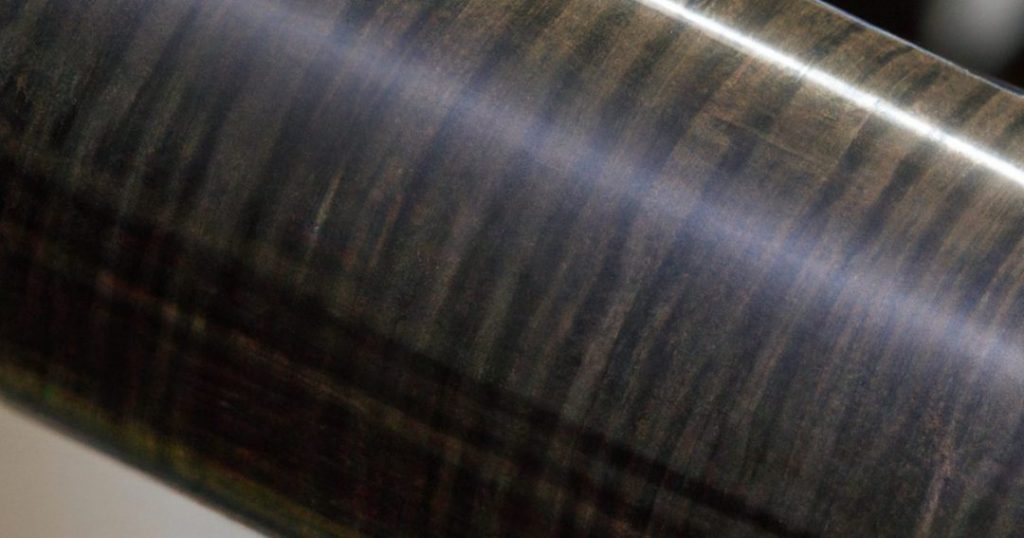
As this technology evolves, we can expect to see carbon fiber driveshafts play an even larger role in both off-road and street performance vehicles. Custom builds that take advantage of carbon fiber’s lightweight, strong properties are becoming more prevalent, enhancing the overall capabilities of modern vehicles.
Is Carbon Fiber Right for You?
If you’re looking to upgrade your vehicle’s performance, durability, and safety, carbon fiber driveshafts are worth serious consideration. Whether you’re an off-road enthusiast, a drag racer, or someone who simply wants the best for their vehicle, investing in a high-quality carbon fiber driveshaft can lead to impressive improvements in handling, acceleration, and safety.
In the ever-evolving landscape of automotive performance, carbon fiber driveshafts represent a significant advancement. At JE Reel, we invite you to explore our lineup of high-performance driveshaft solutions tailored to meet the needs of serious automotive enthusiasts. Elevate your vehicle’s capabilities and join the revolution in off-roading and racing performance with our innovative carbon fiber driveshafts!
What do you think about the rise of carbon fiber driveshafts? Are you ready to make the switch? Share your thoughts in the comments below or reach out to JE Reel for expert advice on finding the perfect driveline for your needs. Let’s take your off-road adventures to the next level!
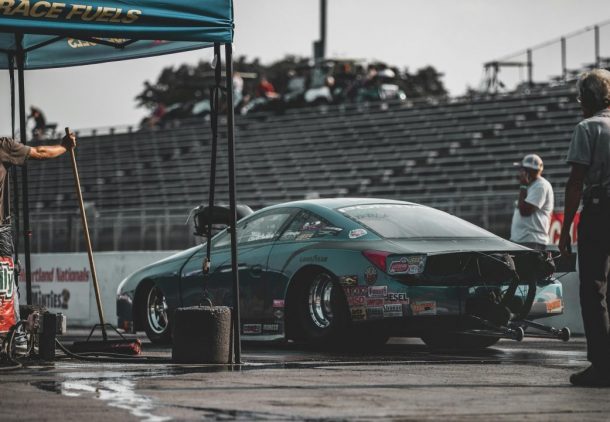
Why Do Drag Racing Cars Need Upgraded Driveshafts?
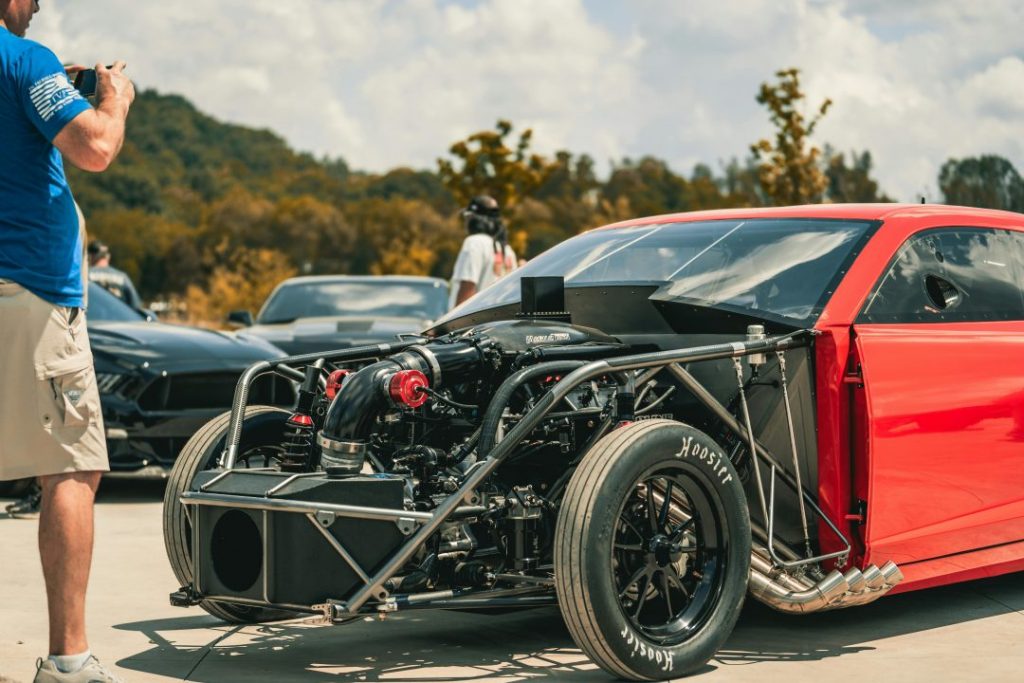
When it comes to drag racing, every component of your vehicle plays a vital role in maximizing performance and achieving faster times. Among these components, the driveshaft is crucial for transmitting power from the engine to the wheels efficiently. In this article, we will explore why drag racing cars demand upgraded driveshafts, focusing on features, benefits, and the impact of material choices like aluminum and carbon fiber. Whether you’re a seasoned racer or just starting in the drag scene, understanding the importance of your driveshaft can lead to significant performance enhancements.
Understanding the Role of the Driveshaft in Drag Racing
The driveshaft is an essential element of your vehicle’s drivetrain. It transmits torque generated by the engine to the rear wheels, facilitating acceleration. In drag racing, where quick launches and high torque levels matter, the integrity of the driveshaft is paramount.
Shock Load and Performance Limitations
One critical aspect to consider is shock load—the sudden force exerted on the driveshaft during rapid acceleration or gear shifts. Drag racing involves high RPMs and significant torque, resulting in forces that can exceed the capabilities of stock driveshafts. Typically designed to manage only 400-500 horsepower, stock driveshafts can suffer from fatigue or failure under the extreme stresses of drag racing.
Additionally, the carrier bearings often found in stock driveshaft setups can become weak links when subjected to increased torque. These limitations can lead to catastrophic failures on the track, making it essential to upgrade to a robust driveline that can withstand the unique demands of racing.
Tube Diameter and Critical Speed
Another vital consideration in drag racing is the tube diameter of the driveshaft, which significantly influences its critical speed. Critical speed refers to the RPM at which the driveshaft begins to vibrate uncontrollably. Larger-diameter driveshafts can handle more torque but may exceed their critical speed at lower RPMs, leading to performance issues.

Many modern muscle cars utilize 2-piece driveshaft configurations to reduce the diameter and accommodate these parameters. However, this configuration introduces a carrier bearing, which may become the weak link, especially when racing. Thus, selecting the appropriate driveshaft diameter and configuration is crucial for performance.
Upgraded Driveshaft Benefits for Drag Racing
Investing in an upgraded driveshaft can yield considerable benefits, both in terms of performance and durability. Here are some key advantages:
Enhanced Strength and Durability
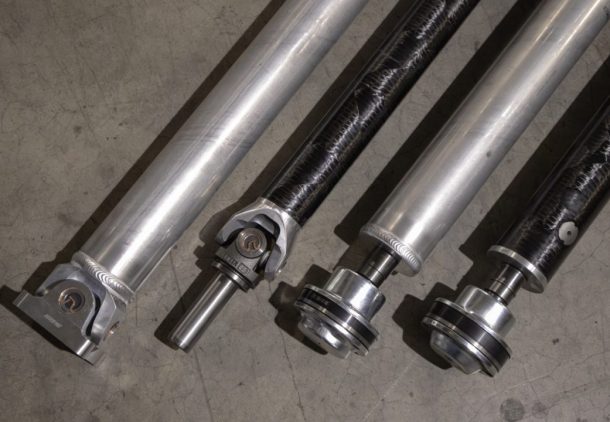
Upgraded driveshafts, made from high-strength materials such as aluminum and carbon fiber, offer superior durability compared to stock components. Both materials are designed to handle the rigorous demands of racing while effectively dissipating shock load.
- Aluminum Driveshafts: Lightweight and robust, aluminum driveshafts minimize rotational mass and can improve acceleration. Many racers choose aluminum for its balance of strength and weight savings, although it’s important to choose high-quality aluminum to avoid bending under extreme conditions.
- Carbon Fiber Driveshafts: These are the elite choice for high-performance racing applications. Carbon fiber’s exceptional strength-to-weight ratio not only reduces overall vehicle weight, enhancing acceleration and handling but also provides torsional flexibility that helps absorb shock loads during intense racing scenarios. Carbon fiber driveshafts are more expensive than the aluminum ones but if you are on the extreme end it is worth the investment.
Improved Acceleration
An upgraded driveshaft contributes directly to improved acceleration. With a lighter, stronger driveshaft, torque transfer becomes more efficient, enabling quicker launches. For drag racers, this can mean the difference between crossing the finish line first or second. Many owners have reported substantial time savings by upgrading to a high-performance driveshaft.

Weight Reduction
Weight plays a critical role in drag racing; reducing unnecessary weight allows for better acceleration and handling. Upgrading to an aluminum or carbon fiber driveshaft can save significant weight compared to stock steel options. The reduction in mass not only improves launch times but also enhances overall vehicle dynamics, making it easier to handle at high speeds.
Vibration Reduction
Vibration can compromise your drag performance by causing instability and affecting tire grip. With precise manufacturing and balancing, upgraded driveshafts minimize vibration, allowing for smoother operation at high RPMs. This stability is crucial for drag racing, where any loss of control can lead to slower times or accidents.
Performance Improvements
As horsepower increases, the need for a stronger, more reliable driveshaft becomes even more critical. A high-strength, upgraded driveshaft can handle more power, reducing the likelihood of failure during a race. Racers should consider upgrading to aluminum driveshafts when their vehicles exceed 600 horsepower, as they provide enhanced durability and performance. But when your horsepower starts going above 1000 – 1200 horsepower or you run into high critical speeds and vibrations then you will want to consider a carbon fiber driveshaft.
How to Choose the Right Upgraded Driveshaft
When selecting an upgraded driveshaft for your drag racing car, consider the following factors:
- Material: Decide between aluminum and carbon fiber based on your budget and performance needs. Carbon fiber offers top-tier performance but comes at a higher price, while aluminum provides an excellent balance of strength and weight.
- Length: Proper measurement is essential to avoid installation issues. An improperly sized driveshaft can lead to misalignment and increased wear on other parts.
- Construction Type: Choose between a 1-piece and 2-piece driveshaft. A 1-piece driveshaft can be sturdier but may have limitations on length. A 2-piece driveshaft is often easier to install but may require a carrier bearing, which can introduce additional concerns.
- U-Joint Compatibility: Ensure that the driveshaft you choose is compatible with your U-joint specifications, as this will affect performance and longevity.
Conclusion
Upgraded driveshafts are essential for any drag racing car aiming to achieve peak performance. With the ability to withstand higher torque and provide better power transfer, an upgraded driveshaft can significantly improve acceleration, handling, and overall drag performance. Whether opting for the lightweight benefits of aluminum or the superior strength of carbon fiber, investing in a high-quality driveshaft is a crucial step toward success on the track.
At JE Reel, we offer a range of custom driveshaft solutions specifically designed to meet the demands of drag racing. Whether you’re looking to enhance your vehicle’s performance or replace an existing component, our expertise in high-performance driveshafts ensures you have the right tools for victory. Explore our offerings today, and take your racing experience to the next level!
Pros and Cons of Common Materials Used in Driveshafts: Steel, Aluminum, and Carbon Fiber
Every component plays a critical role in the overall performance and durability of a vehicle. Among these components, the driveshaft is essential for transmitting power from the engine to the wheels. The choice of material used in the construction of driveshafts can significantly affect a vehicle’s performance, efficiency, and longevity. This article will explore the pros and cons of the three most common materials used in driveshaft: steel, aluminum, and carbon fiber. By examining the strengths and weaknesses of each material, we aim to provide valuable insights to help vehicle owners and builders make informed decisions.
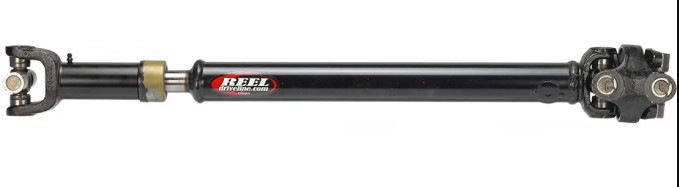
Steel Driveshafts
Overview of Steel as a Material
Steel has been the traditional choice for driveshaft construction for decades. Known for its high strength and durability, steel offers several advantages that make it a popular option for many automotive applications.
Pros of Steel Driveshafts
- High Strength and Durability: Steel driveshafts are incredibly strong and can withstand high levels of torque and stress during operation. This makes them ideal for heavy-duty vehicles and applications where durability is paramount.
- Excellent Fatigue Resistance: Steel exhibits excellent fatigue resistance, which means it can endure repeated stress cycles without failing. This property is particularly beneficial for vehicles subjected to rigorous driving conditions.
- Cost-Effectiveness: Steel is generally less expensive than its counterparts, making it a cost-effective choice for both manufacturers and consumers. The availability of steel means it can be produced in large quantities, further driving down costs.
- Easy to Repair and Modify: Steel driveshafts are easily repairable compared to other materials. If a steel driveshaft becomes damaged, it can be welded or modified without significant difficulty.
Cons of Steel Driveshafts
- Heavier than Alternatives: One of the significant drawbacks of steel driveshafts is their weight. The added mass can negatively impact fuel efficiency and overall vehicle performance, particularly in performance-oriented applications.
- Susceptibility to Corrosion: Steel is prone to rust and corrosion if not adequately treated. Without proper protective coatings, steel driveshafts can deteriorate over time, especially in harsh environments.
- Limited Flexibility: While steel is strong, it lacks the flexibility found in some alternative materials, which can be a disadvantage in vehicles with extensive suspension travel.

Overview of Aluminum as a Material
Aluminum has gained popularity in recent years as a material for driveshaft construction, particularly in applications where weight savings are crucial.
Pros of Aluminum Driveshafts
- Lightweight, Improving Overall Vehicle Performance: Aluminum driveshafts are significantly lighter than steel, which contributes to better fuel efficiency and enhanced acceleration. This lightweight characteristic is particularly advantageous in racing and performance vehicles.
- Good Resistance to Corrosion: Aluminum naturally forms a protective oxide layer that makes it highly resistant to corrosion. This property ensures longer service life, especially in environments prone to moisture and salt.
- Enhanced Fuel Efficiency: Due to their reduced weight, aluminum driveshafts can improve a vehicle’s fuel efficiency. This can be particularly beneficial for those looking to optimize their vehicle for everyday use.
- Better Thermal Conduction Properties: Aluminum has excellent thermal conductivity, which helps dissipate heat effectively. This can be advantageous in high-performance applications, preventing overheating and maintaining optimal operating temperatures.
Cons of Aluminum Driveshafts
- Less Strength Compared to Steel: While aluminum is lightweight, it does not possess the same strength as steel. Aluminum driveshafts may be more susceptible to bending or breaking under extreme loads, particularly in heavy-duty applications.
- Higher Cost Compared to Steel Driveshafts: Aluminum driveshafts can be more expensive than their steel counterparts, which might limit accessibility for budget-conscious consumers.
- More Prone to Deformation: Under extreme loads, aluminum driveshafts can deform. This can impact performance and may require replacement sooner than a steel driveshaft would.

Carbon Fiber Driveshafts
Overview of Carbon Fiber as a Material
Carbon fiber is a composite material that has emerged as a leading choice for high-performance applications, particularly in racing and sports vehicles. Its unique properties make it an attractive option for driveshafts.
Pros of Carbon Fiber Driveshafts
- Exceptional Strength-to-Weight Ratio: Carbon fiber boasts an outstanding strength-to-weight ratio, making it one of the lightest and strongest materials available. This property allows for the creation of driveshafts that are incredibly strong while being extremely lightweight.
- Very Lightweight, Significantly Enhancing Performance: The lightweight nature of carbon fiber driveshafts can lead to improved acceleration, better handling, and a more responsive driving experience overall.
- Highly Resistant to Corrosion and Fatigue: Carbon fiber is not susceptible to corrosion, making it an excellent choice for vehicles exposed to challenging environments. Its resistance to fatigue ensures long-lasting performance even under rigorous conditions.
- Advanced Manufacturing Techniques: Carbon fiber driveshafts can be manufactured using advanced techniques that allow for customization to meet specific vehicle requirements, including unique designs and specifications.
Cons of Carbon Fiber Driveshafts
- High Cost of Production: The primary drawback of carbon fiber driveshafts is their cost. The manufacturing process and materials involved can lead to significantly higher prices compared to steel or aluminum driveshafts.
- Requires Specialized Manufacturing Processes: The production of carbon fiber components often requires specialized equipment and processes, making it less accessible for standard automotive applications.
- More Sensitive to Impact Damage: While carbon fiber is strong, it is also more susceptible to damage from impacts compared to metallic materials. A hard hit can result in cracks or damage that may render the driveshaft unusable.
Comparative Analysis
In comparing these three materials, it’s essential to summarize their pros and cons to help determine which is best suited for different applications:
- Steel: Best for heavy-duty applications due to its high strength and durability. Its cost-effectiveness makes it a popular choice, though its weight can be a disadvantage for performance vehicles.
- Aluminum: Ideal for applications where weight savings are critical. Its corrosion resistance and thermal properties are advantageous, but it may not provide the same strength as steel for extreme conditions.
- Carbon Fiber: The top choice for high-performance racing applications, offering significant weight and performance advantages. However, its cost and sensitivity to impacts can be limiting factors.
Choosing the right material for driveshaft construction is crucial for optimizing vehicle performance and durability. Each material—steel, aluminum, and carbon fiber—has its advantages and disadvantages. Understanding these differences allows vehicle builders and owners to make informed decisions based on their specific needs and driving conditions.
When evaluating materials, consider the primary use of the vehicle, whether it is for everyday commuting, off-roading, or racing. By selecting the right driveshaft material, you can enhance performance, maximize efficiency, and enjoy a smoother driving experience.
For those interested in further exploring driveshaft materials and making informed decisions about their driveshaft options, consider reaching out to JE Reel Driveline. With over four decades of experience in the industry, Jim Reel and his team at JE Reel Driveline are renowned for their expertise in high-quality driveshafts tailored for various applications, from everyday vehicles to high-performance racing machines.
JE Reel Driveline offers a range of driveshaft materials, including steel, aluminum, and carbon fiber, ensuring you can find the perfect solution for your specific needs. Their knowledgeable staff can provide valuable insights and recommendations based on your vehicle type and intended use, helping you optimize performance and durability.
Invest in your vehicle’s performance by exploring what JE Reel Driveline has to offer. Whether you’re looking for the strength of steel, the lightweight benefits of aluminum, or the high performance of carbon fiber, JE Reel Driveline has the expertise and products to meet your needs. Choose wisely to ensure your vehicle operates at its best!
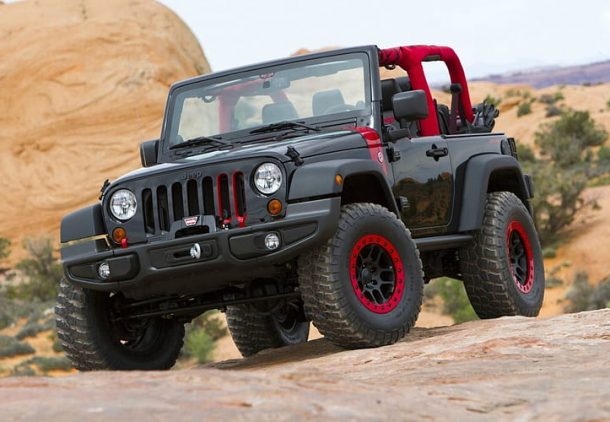
Why Custom Driveshafts are Essential for High-Performance Off-Road Vehicles
When it comes to high performance offroading, be it racing or rock crawling, every component of a vehicle plays a vital role in determining performance and capability. Because of this the significance of investing in a custom driveshaft cannot be overstated. Unlike conventional driveshafts, off-road driveshafts are designed specifically to handle the unique demands of rugged terrain, ensuring optimal vehicle performance. Custom driveshafts are not just an upgrade; they are an essential element that can make or break an off-road adventure. In this article, we will explore the reasons why custom driveshafts are indispensable for those who push their vehicles to the limit in challenging terrains.
Understanding Driveshaft Functionality for Off-Road Vehicles
Off-road vehicles are specifically engineered to navigate challenging terrains, and this design philosophy extends to every component, particularly the driveshaft. Unlike standard vehicles, off-roaders must overcome numerous obstacles, requiring a driveshaft that is just as unique to match their enhanced capabilities. The transmission in off-road vehicles is optimized to effectively transfer torque from the engine to the differential(s) and wheels, which is essential for maintaining momentum during steep climbs and rocky paths. Upgrading to a custom driveshaft can significantly improve power delivery, thereby reducing the risk of drivetrain failure during demanding maneuvers. Additionally, off-road vehicles benefit from increased ground clearance, with aftermarket driveshafts engineered to provide the necessary lift to navigate over obstacles seamlessly. This added clearance keeps the undercarriage safe from damage and enhances the vehicle’s ability to traverse rough terrain.
Challenges Faced by Off-Road Vehicles
Off-road vehicles face unique challenges that standard vehicles rarely encounter. When traversing rugged terrains, these vehicles must deal with obstacles such as rocks, mud, and steep inclines. Each of these situations places extraordinary demands on the driveshaft. The increased torque and forces experienced in rock crawling or off-road trail conditions can lead to immense abuse on the driveshaft components. Conventional, stock driveshafts are typically designed for standard driving conditions and may not withstand the rigors of aggressive off-roading. This vulnerability can result in vibrations, performance issues, or even catastrophic failure, leaving enthusiasts stranded in the wilderness.

Advantages of Custom Driveshafts
When it comes to overcoming the challenges of off-roading, custom driveshafts offer several distinct advantages:
Tailored Design for Specific Needs
Custom driveshafts are engineered to meet the specific requirements of a particular vehicle and its intended use. This customization allows for precise material choices, such as steel for durability or carbon fiber for lightweight performance. High-performance off-road vehicles often require driveshafts that account for increased torque and unexpected stresses, which may not be adequately addressed by off-the-shelf options.Moreover, custom dimensions can be crafted to accommodate unique vehicle setups, including modifications to lift kits, suspension systems, and wheel sizes. This ensures that the driveshaft fits perfectly and operates efficiently within the confines of the vehicle’s system.
Enhanced Strength and Durability
One of the primary benefits of custom driveshafts is their enhanced strength and durability. Made from high-quality materials and engineered to withstand the harshest conditions, custom driveshafts are built to resist bending, breaking, and excessive wear. During off-road excursions, the forces acting on the driveshaft can be immense. A robust custom driveshaft can absorb these forces more effectively than a stock counterpart, significantly lowering the risk of failure. This advantage translates directly into greater peace of mind for drivers who push their vehicles to the limit.
Improved Performance
Custom driveshafts not only enhance the strength of a vehicle’s drivetrain, but they also contribute to overall performance improvements. With precise engineering and superior materials, custom driveshafts facilitate smoother power transfer from the engine to the wheels, reducing vibrations throughout the vehicle. This smooth operation enhances handling and responsiveness, two critical factors for off-road driving.Additionally, custom driveshafts can be tuned to optimize performance characteristics specific to the type of driving. Whether tackling steep grades, navigating through obstacles, or speeding through rough trails, custom driveshafts ensure that the power is delivered efficiently and effectively.

Key Features of Custom Driveshafts for Off-Roading
When opting for custom driveshafts, several key features are crucial to enhancing off-road capability:
Upgraded U-Joints
Upgraded U-joints are integral to the performance of off-road driveshafts. Traditional U-joints can wear out quickly under extreme conditions, leading to failures and costly repairs. Custom driveshafts can incorporate heavy-duty U-joints designed to endure the specific stresses of off-roading, ensuring longevity and reliability.
Slip Yokes and Their Benefits
Slip yokes are another critical feature of custom driveshafts. They provide the necessary length adjustment to accommodate suspension travel, allowing the driveshaft to expand and contract smoothly as the vehicle navigates uneven terrain. A custom slip yoke can significantly improve performance, ensuring the driveshaft remains operational even during extreme articulation.
Balancing and Alignment
Proper balancing and alignment are essential for minimizing vibrations and maximizing performance. Custom driveshafts undergo meticulous balancing procedures during production that stock parts may not receive. This precision reduces the risk of vibrations that can lead to driver fatigue and mechanical failures.
In conclusion, the critical role of custom driveshafts cannot be overstated for high-performance off-road vehicles. They are essential for ensuring optimal performance, enhancing durability, and offering peace of mind when facing demanding terrains. Off-road enthusiasts should consider investing in custom driveshaft solutions tailored to their specific needs, as these components can be the difference between a smooth, thrilling ride and an unexpected breakdown in the wild. Whether you’re an avid off-roader or a competitive racer, enhancing your vehicle’s capabilities with custom driveshafts is a decision that pays dividends on every adventure.
For those interested in upgrading their driveshafts or enhancing vehicle performance, numerous resources are available. One highly recommended option is JE Reel Driveline. With over four decades of experience, Jim Reel and our team at JE Reel Driveline are renowned for their exceptional craftsmanship in high-quality driveshafts and performance parts. We provide detailed guides and consultations to assist with specific needs, ensuring that you choose the right solutions for your high-performance off-road vehicle.
Invest in your off-road adventure today and experience the difference that JE Reel Driveline can make in optimizing your vehicle’s capabilities on any terrain!
U-Joint on Driveshaft: How Do I Know if It Needs to Be Replaced?
The driveshaft U-joint, or universal joint, is a vital component in your vehicle’s drivetrain system. It facilitates the transfer of power from the transmission to the driveshaft while accommodating the movement and angle changes between the two. However, like all mechanical parts, U-joints are subject to wear and tear over time. Knowing when to replace a failing U-joint is crucial to prevent more serious issues and ensure your vehicle remains safe and reliable. In this article, we’ll explore the key signs that indicate your driveshaft U-joint may need replacement, helping you to diagnose problems early and maintain optimal vehicle performance.
Importance of the Driveshaft U-joint
The driveshaft U-joint is an essential component in transferring power from your vehicle’s transmission to its wheels. It allows for flexibility and smooth rotation, enabling the driveshaft to adapt to variations in angle during operation. A healthy U-joint ensures efficient power delivery and enhances your vehicle’s performance.
The driveshaft U-joint, or universal joint, is a critical component in your vehicle’s drivetrain system. Here’s why it’s so important:
- Power Transmission: The U-joint facilitates the transfer of rotational power from the engine through the transmission to the driveshaft and ultimately to the wheels. It ensures that power is delivered efficiently and effectively to drive the vehicle.
- Accommodating Movement: The U-joint allows for the necessary angular movement between the driveshaft and the transmission or differential. This flexibility is crucial for accommodating changes in the driveshaft angle due to vehicle suspension movement and road conditions.
- Smoothing Out Rotational Forces: By compensating for angle variations, the U-joint helps to smooth out rotational forces and reduce vibrations. This contributes to a more comfortable and stable driving experience.
- Ensuring Vehicle Handling: Proper function of the U-joint is essential for stable vehicle handling. A well-maintained U-joint helps maintain alignment and balance, which is important for safe and predictable vehicle performance.
- Preventing Drivetrain Damage: A faulty U-joint can lead to excessive wear and tear on other drivetrain components. By ensuring the U-joint is in good condition, you prevent potential damage to the driveshaft, differential, and transmission.
- Enhancing Longevity: Regular maintenance of the U-joint can extend the lifespan of the drivetrain system. By keeping the U-joint in proper working order, you ensure the longevity and reliability of the entire drivetrain.
Signs of a Failing Driveshaft U-joint
When a U-joint starts to fail, there are noticeable signs you should be aware of. You might notice unusual vibrations while driving, or hear clunking noises when shifting gears. Additionally, if you see any grease leaking from the U-joint, it’s likely time for an inspection or replacement to avoid further damage to your vehicle.
Loose or Worn Out Components
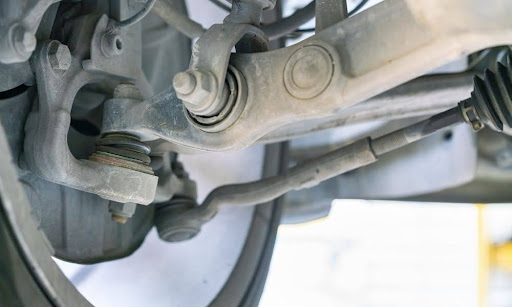
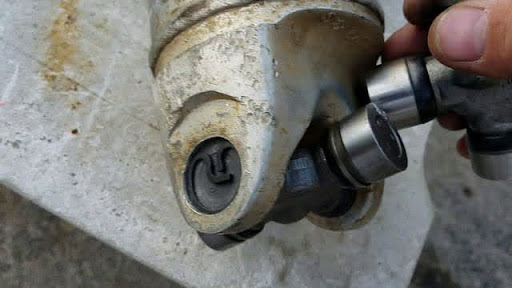
When you perform a visual inspection of your U-joint, look for any loose or worn-out components. Check for any visible signs of wear such as cracks or excessive rust. If the U-joint appears to be shifting or doesn’t sit firmly in place, it could signify a problem that requires your immediate attention.
Strange Noises or Vibrations
Additionally, pay attention to any strange noises or vibrations during your inspection. Any grinding or popping noises when moving your vehicle could indicate issues with the U-joint. You need to address these noises promptly, as they may signal impending failure and lead to more severe issues down the road.
Difficulty Steering
If you notice difficulty in steering or a feeling of looseness in the steering wheel, it could be a sign of a failing U-joint. As the U-joint wears out, it can lead to misalignment or play in the drivetrain, which affects the vehicle’s handling and steering precision. This issue can make the steering feel less responsive and may result in unpredictable handling, especially during turns or while maneuvering.
Grease Leakage
Inspecting the U-joint for grease leakage is crucial. If you observe grease around the U-joint area or find it on the underside of the vehicle, this could indicate that the U-joint is failing. A leaking U-joint often means it’s losing its lubrication, which can lead to increased friction and accelerated wear. Regularly checking for grease leaks can help you catch U-joint problems early.
Clunking or Grinding When Shifting Gears
Unusual noises such as clunking or grinding when shifting gears can be a clear indicator of a worn or malfunctioning U-joint. These noises occur as the U-joint struggles to accommodate the rotational forces and angle changes. If you hear these sounds during gear shifts, it’s essential to have the U-joint inspected and, if necessary, replaced to avoid further damage.
Visual Inspection
Conducting a visual inspection of the U-joint can reveal signs of wear or damage. Look for excessive play or movement in the U-joint, which can indicate that it is no longer secure or functioning properly. Additionally, check for visible cracks, rust, or other damage on the joint itself. Any noticeable issues during inspection should be addressed promptly to prevent more significant problems.
Shuddering or Bouncing
Experiencing shuddering or bouncing sensations, especially when accelerating or decelerating, can signal that the U-joint is not maintaining proper alignment. This misalignment can cause driveline issues, leading to vibrations or erratic movements. If you feel these symptoms, it’s important to have the U-joint examined and replaced if necessary to ensure smooth and stable vehicle operation.
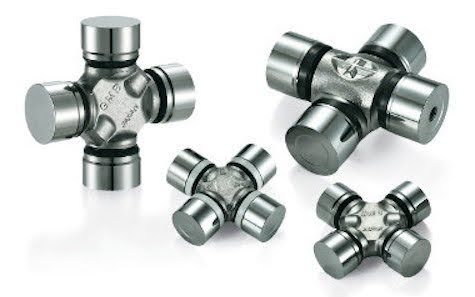
Identifying and addressing issues with your driveshaft U-joint promptly is crucial to maintaining your vehicle’s performance and safety. By recognizing the signs of a failing U-joint, such as difficulty steering, grease leakage, unusual noises, visual damage, or vibrations, you can prevent more serious drivetrain problems and costly repairs. If persistent vibrations occur after a lift kit installation, it may be time to look into what is a double cardan joint to permanently solve the problem. For high-quality U-joints and expert service, JE Reel Driveline is a trusted choice. With over 40 years in the aftermarket automotive industry, JE Reel specializes in providing reliable U-joints that ensure smooth and efficient power transfer. If you suspect any issues with your U-joint, don’t hesitate to consult with professionals who can help keep your vehicle running at its best.
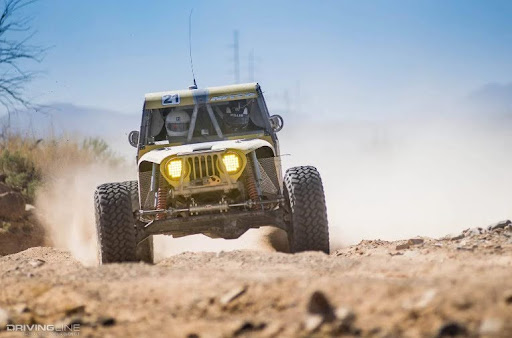
Why Proper Driveshaft Maintenance is Key to Success in Off-Road Racing
Off-road racing is an adrenaline-pumping sport that demands peak performance from every component of your vehicle. Among these components, the driveshaft plays a crucial role in transferring power from the engine to the wheels while navigating rough terrains. Proper maintenance of the driveshaft is not just a matter of keeping your vehicle running smoothly—it’s essential for ensuring success in off-road racing. Here’s why maintaining your driveshaft is key to achieving and sustaining high performance in off-road racing.
Why Proper Driveshaft Maintenance is Essential for Off-Road Racing

1. Ensuring Optimal Power Transfer
In off-road racing, your vehicle’s ability to transfer power efficiently from the engine to the wheels is paramount. The driveshaft is responsible for this critical task. A well-maintained driveshaft ensures that the power generated by the engine is delivered to the wheels without loss or disruption. This efficiency is crucial for maintaining acceleration, navigating challenging terrain, and achieving competitive lap times. Regular maintenance checks, such as ensuring proper lubrication and alignment, help prevent power transfer issues that could hinder your performance.
2. Enhancing Durability and Reliability
Off-road racing subjects your vehicle to extreme conditions, including high-impact shocks, vibrations, and other severe abuse. These conditions can cause significant wear and tear on the driveshaft. Proper maintenance, including regular inspections and timely repairs or replacements, is essential for enhancing the driveshaft’s durability and reliability. A driveshaft that is in good condition can withstand the harsh demands of off-road racing, reducing the likelihood of mechanical failures that could lead to race day disappointments.
3. Preventing Costly Breakdowns
Neglecting driveshaft maintenance can lead to serious issues, such as misalignment, balance problems, or even total failure. These problems can cause unexpected breakdowns during a race, resulting in lost time and potentially damaging other drivetrain components. By performing routine maintenance and addressing minor issues before they escalate, you can prevent costly breakdowns and ensure your vehicle remains in top condition throughout the racing season.
4. Improving Vehicle Handling and Control
The driveshaft’s performance directly affects your vehicle’s handling and control. An improperly maintained driveshaft can lead to vibrations, instability, and uneven power distribution, which can make handling more difficult, especially on rough or uneven terrain. Regular maintenance helps to ensure that the driveshaft operates smoothly, which enhances overall vehicle stability and control. This improvement in handling allows drivers to navigate challenging courses more effectively and maintain better control over their vehicle.
5. Reducing Vibration and Noise
In off-road racing, minimizing vibrations and noise is crucial for maintaining focus and comfort. A well-maintained driveshaft helps reduce unwanted vibrations and noise, which can be distracting and uncomfortable during a race. Regularly checking for signs of wear and tear, such as worn U-joints or imbalanced shafts, and addressing these issues promptly helps keep vibrations and noise to a minimum, allowing drivers to concentrate on their performance.
6. Extending the Lifespan of the Driveshaft
Proper maintenance is key to extending the lifespan of your driveshaft. Routine inspections, lubrication, and alignment adjustments can help prevent premature wear and extend the operational life of the driveshaft. This longevity not only ensures consistent performance but also helps avoid frequent and costly replacements, making it a cost-effective approach for off-road racers.
7. Enhancing Safety on the Track
A well-maintained driveshaft contributes to overall vehicle safety. A failing driveshaft can cause sudden and catastrophic failures, leading to loss of control or even accidents. Regular maintenance checks help identify and address potential issues before they become serious problems, ensuring that your vehicle remains safe and reliable throughout the race.In off-road racing, the driveshaft is a vital component that requires meticulous care and attention. Proper maintenance ensures optimal power transfer, enhances durability, prevents costly breakdowns, and improves vehicle handling and control. By investing time in regular driveshaft inspections and maintenance, you can ensure your vehicle remains in peak condition and ready to tackle the toughest off-road challenges. For high-quality driveshaft maintenance and performance parts, consider JE Reel Driveline. With over four decades of experience, Jim Reel and his team at JE Reel Driveline are renowned for their exceptional craftsmanship and dedication to off-road racing excellence. Elevate your racing performance with their premium driveshaft solutions, designed to meet the rigorous demands of off-road racing.
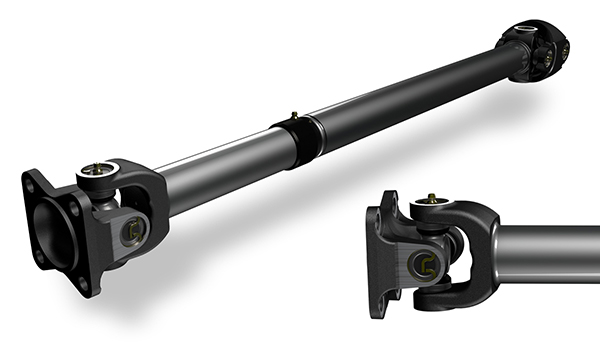
Front Driveshafts: The Ultimate Guide to Everything You Need to Know
Overview of Front Driveshaft Upgrades for Offroading
Benefits of Upgrading Your Front Driveshaft
Upgrading the front driveshaft for off-roading offers several key advantages. First, enhanced strength and durability are crucial when taking on challenging terrains. An upgraded driveshaft can withstand the increased torque and stress that come from substantial obstacles, ensuring it won’t fail during a critical moment. Additionally, improved articulation and angle performance allows for greater flexibility, maintaining power delivery even in extreme conditions. Drivers can enjoy better off-road capability and handling with these upgrades.
Common Issues with Stock Front Driveshafts
Stock front driveshafts often face limitations, including inadequate strength for rigorous off-road activities and a lack of proper articulation angles. Over time, they can suffer from wear and tear, impacting performance and leading to costly repairs.
Factors to Consider Before Upgrading Your Front Driveshaft
Vehicle Compatibility
Before upgrading the front driveshaft, it’s important to ensure compatibility with the specific vehicle model. Different vehicles may have unique demands and specifications that must be met. Researching and selecting a driveshaft designed for the make and model of the vehicle will enhance performance and avoid potential issues during installation.
Off-Road Terrain Considerations
Another crucial factor to evaluate is the type of off-road terrain the vehicle will encounter. Whether it’s rocky paths, muddy trails, or sandy dunes, understanding the specific challenges of these environments will guide the selection of appropriate driveshaft upgrades. This consideration ensures that the driveshaft is capable of handling extreme conditions, thus maximizing off-road performance.
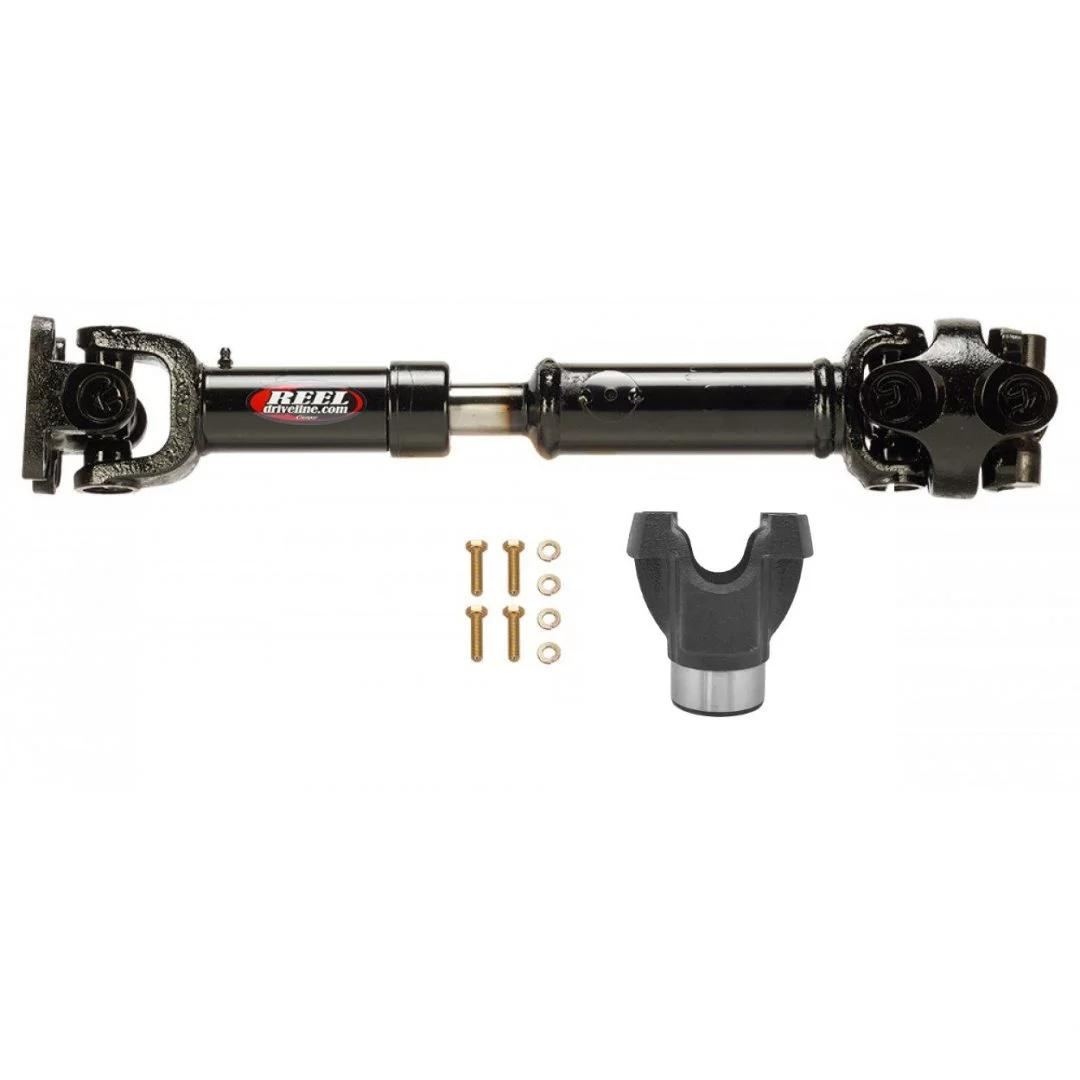
Types of Front Driveshaft Upgrades Available
Aftermarket Options
There are numerous aftermarket driveshaft options designed to enhance the performance and durability of a vehicle’s front axle. Most aftermarket driveshafts are engineered from high-strength materials, offering improved resistance to wear and tear, particularly during extreme activities. Brands focusing on aftermarket solutions often have products that are tailored for specific vehicle models, thereby simplifying the selection process for enthusiasts and drivers.
At JE Reel, we are proud to provide front driveshafts that are known for their outstanding performance and durability. Our driveshafts are carefully made with top-notch parts materials to withstand tough conditions, guaranteeing dependable power transfer on any surface. Our innovative design not only increases strength but also reduces vibrations, leading to a more comfortable driving experience. We have front driveshafts available that are designed to fit a variety of vehicle models precisely, making installation easy.
Custom Front Driveshaft Builds
For those with specialized requirements or unique vehicles, custom front driveshaft builds present an excellent solution. These bespoke upgrades are crafted to meet the exact specifications of a vehicle, ensuring optimal fit and performance. Working closely with a professional can lead to a tailored solution that enhances durability and off-road capabilities.
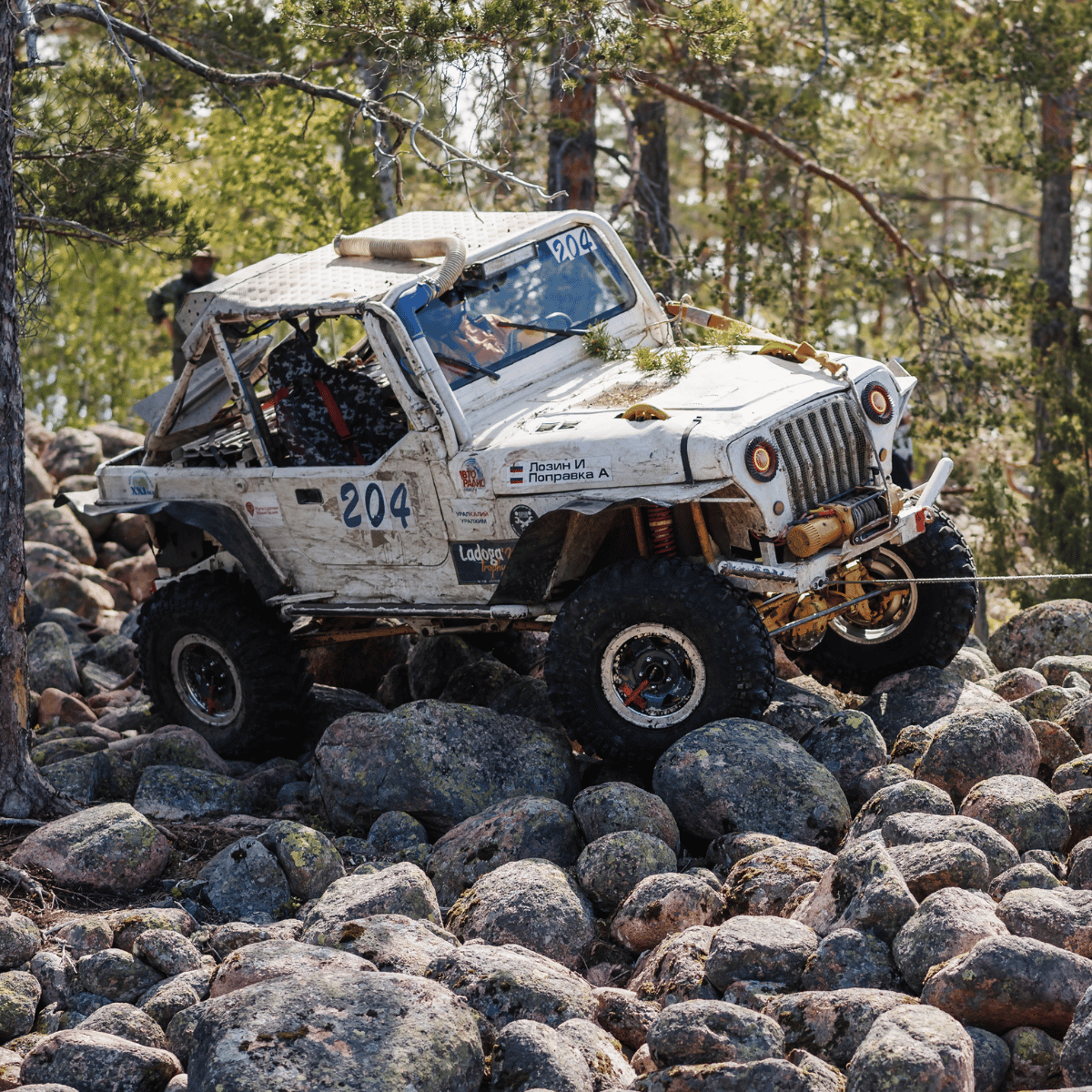
Importance of Front Driveshaft Angles for Offroading
Understanding Driveline Vibration
Maintaining proper front driveshaft angles is crucial for off-road vehicles. When the driveshaft angles are correct, it reduces the likelihood of driveline vibration—a common issue that can lead to significant wear on drivetrain components. Drivers should ensure that their driveshaft is aligned properly to promote smoother operation.
Effects of Incorrect Driveshaft Angles
Incorrect driveshaft angles can lead to various issues, including increased vibration, premature wear, and even failure of the driveshaft. Misalignment can also strain other drivetrain components, ultimately affecting overall vehicle performance. It’s imperative for off-road enthusiasts to assess their front driveshaft angles and make necessary adjustments to enhance durability and prevent costly repairs. This attention to detail can significantly improve the off-roading experience.
Enhancing Off-Road Performance with a Upgraded Front Driveshaft
Improved Traction and Power Transfer
Upgrading the front driveshaft can lead to improved traction and better power transfer to the front wheels during off-road adventures. This ensures that power is efficiently transmitted to the ground, reducing slippage and enhancing overall traction on rugged terrains. With a more robust driveshaft, drivers can tackle challenging environments with greater confidence.
Increased Durability and Reliability
In addition to improved performance, a high-quality front driveshaft offers increased durability and reliability, essential for harsh off-road conditions. These upgraded components are designed to withstand stress, reducing the risk of breakage and extending their lifespan. Consequently, off-road enthusiasts can enjoy a smoother ride and minimize maintenance needs, ensuring their vehicles remain ready for off-road action.
Maintenance Tips for Your Upgraded Front Driveshaft
Signs of Wear and When to Replace
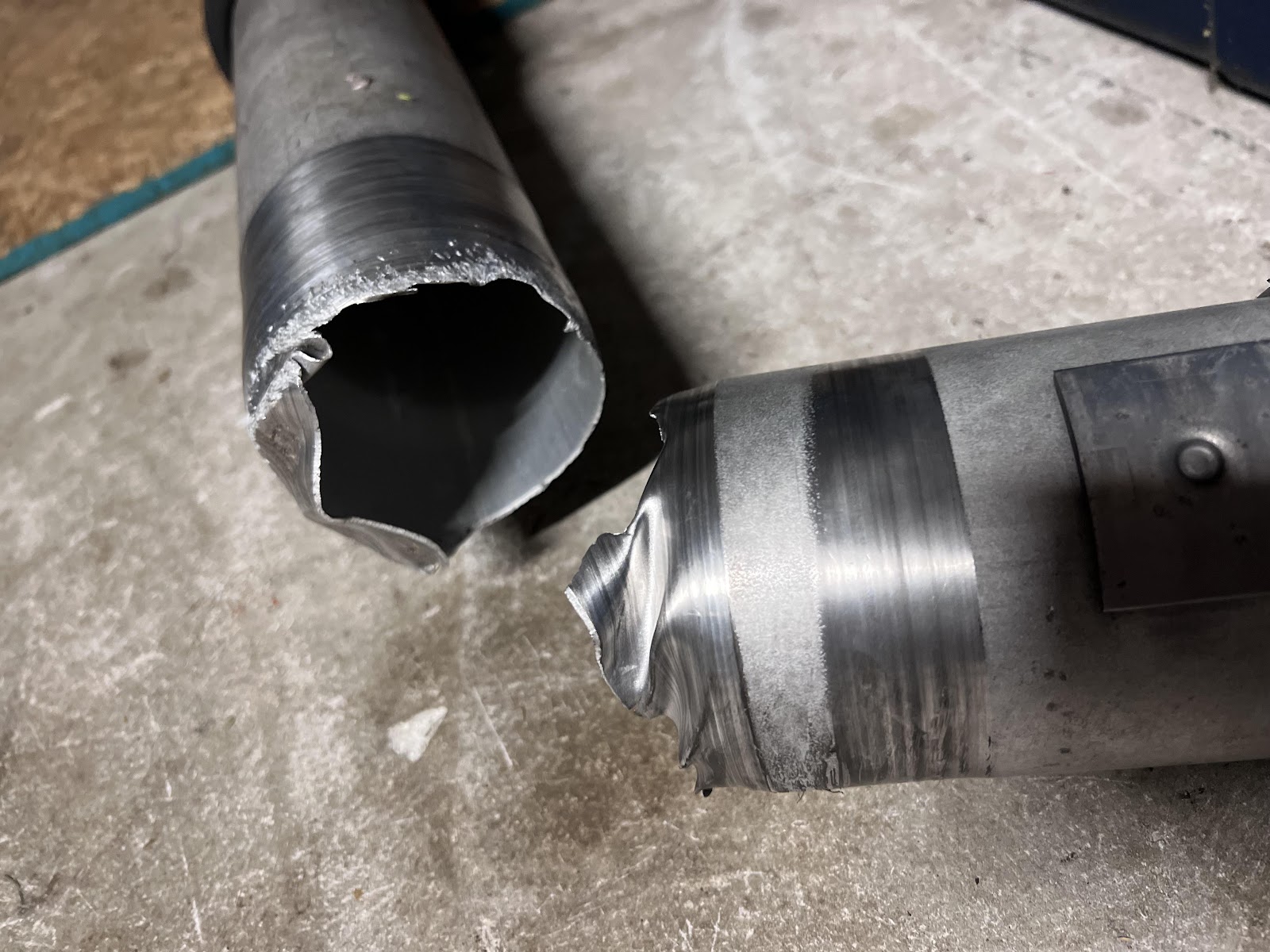
Off-road enthusiasts should regularly inspect their upgraded front driveshaft to maintain its performance and longevity. Common signs of wear include unusual noises, vibrations during operation, or fluid leaks around the joints. If these indicators are observed, it’s crucial to seek a replacement before further damage occurs. Timely replacement not only ensures safety but also preserves the vehicle’s driving capabilities. Regular maintenance, including lubrication and checking for alignment, can significantly extend the driveshaft’s lifespan, providing drivers with the confidence they need during challenging off-road conditions. Ultimately, proactive care will enhance the driving experience and prevent costly repairs down the line.
Cost Considerations for Front Driveshaft Upgrades
Long-Term Value of Investing in a Quality Front Driveshaft
When it comes to upgrading a front driveshaft, cost is a significant factor. Many off-road enthusiasts may be tempted to opt for the cheapest option available, but it is essential to consider the long-term value of investing in a quality product. A well-constructed driveshaft can withstand the rigors of off-road driving, reducing the frequency of replacements and repairs. Additionally, investing in reputable brands often comes with better warranties and customer support, adding to the overall peace of mind. While the initial investment may be higher, the durability and enhanced performance of a quality driveshaft can save money and time in the long run, making it a smart choice for dedicated drivers.
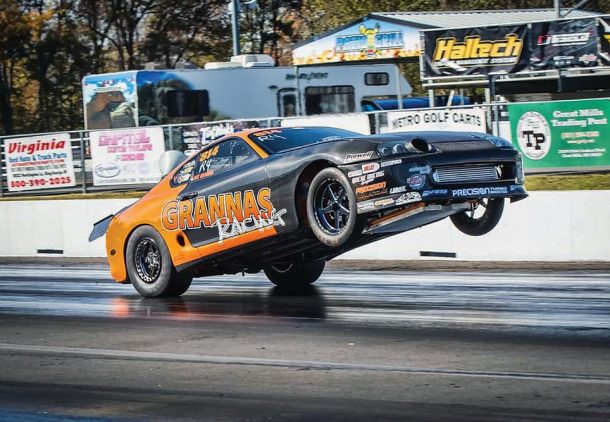
Why a High-Performance Driveshaft is Key for Car Racing
Every component in car racing plays a critical role in delivering top performance, and the driveshaft is no exception. Often overlooked by casual drivers, the driveshaft becomes a key player when it comes to racing. A high-performance driveshaft is essential for transmitting engine power to the wheels, ensuring a smooth, powerful, and efficient transfer of energy. Here’s why investing in a high-performance driveshaft is crucial for car racing.
Importance of High-Performance Driveshaft
1. Efficient Power Transfer
The driveshaft is responsible for transferring torque from the engine to the wheels. In racing, where precision and speed matter, any loss of power during this transfer can impact performance. A high-performance driveshaft is engineered to handle greater torque, ensuring that the power generated by the engine reaches the wheels with minimal loss. This efficiency translates into better acceleration and higher speeds on the track.
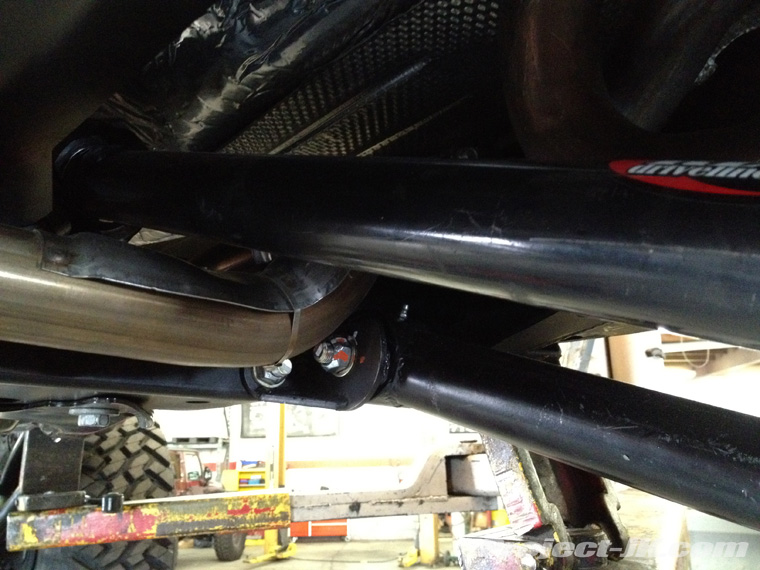
2. Increased Durability and Strength
Racing puts immense stress on a vehicle’s drivetrain. Standard driveshafts may struggle to cope with the extreme torque and forces involved in competitive racing, leading to wear, breakage, or even complete failure. High-performance driveshafts are built using stronger, more durable materials like carbon fiber, chromoly steel, or aluminum, which can withstand the intense demands of racing. This durability ensures the driveshaft remains reliable under high-pressure conditions, reducing the risk of failure during a race.
3. Improved Handling and Stability
The driveshaft’s performance affects how a race car handles on the track. A well-designed high-performance driveshaft can improve the vehicle’s overall balance and stability by distributing power evenly across the drivetrain. This allows for smoother turns and better control, especially when navigating tight corners or accelerating on straightaways. Improved handling gives drivers more confidence to push their vehicles to the limit without worrying about instability or loss of control.
4. Reduced Vibrations and Noise
One of the benefits of a high-performance driveshaft is its ability to minimize vibrations and noise. In high-speed racing, vibrations from a poorly aligned or underperforming driveshaft can lead to discomfort, distraction, and even damage to other drivetrain components. A high-performance driveshaft, designed for precision, reduces these unwanted vibrations and noise, allowing drivers to focus fully on the race without distractions from the vehicle’s drivetrain.
5. Lightweight Design for Faster Acceleration
Weight is a critical factor in car racing, and lighter components can lead to faster acceleration and better overall performance. High-performance driveshafts, particularly those made from carbon fiber or aluminum, are much lighter than standard steel driveshafts. The reduction in weight allows for quicker acceleration and improved responsiveness, giving race cars an edge when it comes to off-the-line speed and corner exits.
6. Handling Higher RPMs
In racing, vehicles often operate at higher RPMs (revolutions per minute) than typical street cars. A high-performance driveshaft is designed to handle the high rotational speeds associated with racing. Standard driveshafts may warp or lose their shape under such conditions, but high-performance versions are built to maintain their structural integrity even at extreme RPMs, ensuring consistent power delivery throughout the race.
7. Customization for Optimal Performance
Every race car is different, and so are its performance requirements. High-performance driveshafts can be custom-built to meet the specific needs of a racing vehicle, taking into account factors like length, material, and design. This customization allows drivers and teams to optimize their vehicles for maximum performance on the track, ensuring that every component, including the driveshaft, is working at peak efficiency.A high-performance driveshaft is essential for any serious car racer looking to optimize their vehicle’s power, durability, and handling. From efficient power transfer to increased strength and reduced weight, a quality driveshaft enhances a car’s overall performance on the track. To ensure your race car is equipped with the best, consider JE Reel Driveline. With over four decades of experience, JE Reel specializes in premium performance driveshafts tailored for motorsport enthusiasts and racing cars. Their expertise and commitment to quality make them a trusted choice for racers seeking maximum performance and reliability.